Greece
Konstantinos AGORASTOS
Lid
Regional Councillor, Thessaly Region

EPP (European People's Party)

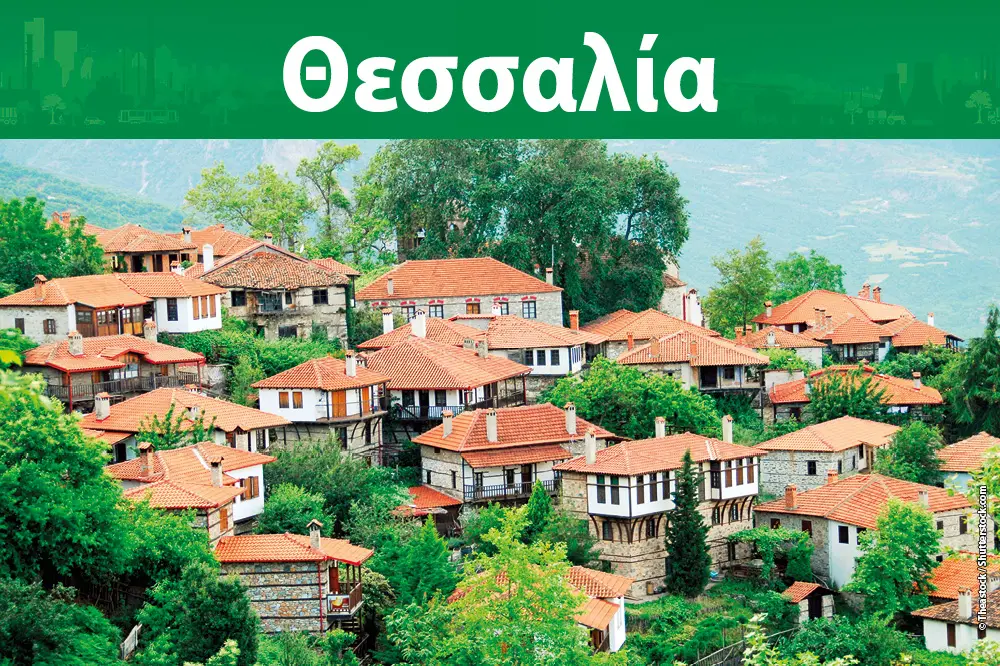
These practices produce a smaller energy footprint in old and energy-intensive buildings, and provide modern, functional and environment-friendly public infrastructure. "Green buildings" represent a substantial project, with major environmental, public health and economic benefits.
The energy upgrading of public buildings entails the following principal steps:
Thermal insulation with external cladding, changes to heating systems (natural gas boilers and panel-type radiators), installation of LED lighting, installation of photovoltaic systems.
Implementing these measures is expected to reduce the energy consumption of buildings and CO2 emissions by enhancing the buildings' energy efficiency classification, while improving heating comfort and consequently improving the operating conditions of schools, and ambient conditions for students and teachers. Improved operating conditions and user experience are also expected for other public buildings.
The indicators are:
- Energy efficiency: Reduction of annual primary energy consumption of public buildings, and
- Reduction in greenhouse gas emissions: estimated annual decrease of greenhouse gases.
Greece
Lid
Regional Councillor, Thessaly Region
ENVE works in fields related to the European Green Deal, which include the environment biodiversity, circular economy, zero pollution, climate change, energy, and space policies.