Poland

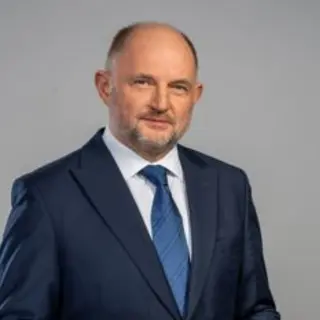
Piotr CAŁBECKI
Member
Councillor of the Kujawsko-Pomorskie Voivodeship

EPP (European People's Party)

A group of European Committee of the Regions' members from NAT and ENVE commissions participated in a study visit to the different reconstruction sites around Valencia after last autumn's flooding disaster that claimed more than 220 lives and caused enormous material damage in the region.
The sites visited by the delegation included the Murtal ravine in Godelleta, the reconstruction site of the CV-36 viaduct, Quart-Manises waste transfer point where more than 50,000 tons of flooding-related waste have already been processed, Albufera natural park, Paiporta metro station that reopened to the public the same day, and orange plantations in Alcásser. These projects have been funded by the regional government.
The delegation was led by NAT chair Piotr Całbecki (PL/EPP), Marshal of Kujawsko-Pomorskie. Members were received by Carlos Mazón, President of the Autonomous Community of Valencia and CoR member (ES/EPP).
"The purpose of this study visit was to focus on how we can build resilience and recovery in the face of increasing climate-related disasters. It is precisely in regions that have faced tragedy that we must learn what worked, what failed, and how to do better," NAT chair Całbecki said.
"Extreme weather events, such as droughts, floods, and heatwaves, are no longer exceptional — they are the new reality across Europe. Mayors and regional leaders are on the frontline, and their task is to ensure that our cities and regions are more resilient and better adapted to the climate crisis. The European Union has shown its solidarity with the people of Valencia since the beginning of the crisis, mobilizing emergency funding and support for reconstruction", Calbecki highlighted.
More information:
The floods in Spain in the end of October caused the deaths of 236 people in the regions of Valencia, Castilla-La Mancha and Andalusia. The region of Valencia was by far the most affected with 228 deaths. President of the European Committee of the Regions, Kata Tüttő, recently met with representatives of two victims’ associations in Brussels.
The projects visited by the delegation have been financed by the Valencia regional ministry of Environment, Infrastructures and Territory, which has mobilised €600 million of funding to the reconstruction with the aim to complete 90% of works by the end of the summer 2025.
The European Union has provided support from the European Solidarity Fund and allowed the possibility to redirect financing from cohesion programmes via the RESTORE mechanism. The European Investment Bank has provided an initial financing package of €900 million to support recovery and reconstruction efforts in the affected areas of Spain.
Water resilience is one of the CoR's top priorities in the current mandate. President Tüttö and First Vice-President Juanma Moreno have been appointed rapporteurs for an upcoming opinion on the topic, and next week's plenary session will feature a debate with Jessika Roswall, European Commissioner for Environment, Water Resilience and a Competitive Circular Economy.
Poland
Member
Councillor of the Kujawsko-Pomorskie Voivodeship
Spain
Member
President of the Regional Government of Andalusia

Hungary

Member
Member of the General Assembly of Budapest Capital