Former presidents
Every two-and-a-half years, the plenary assembly elects the CoR President and the First Vice-President.
On this page

Vasco Alves Cordeiro
2022 - 2025
Portugal, PES (Party of European Socialists)
June 2022: Vasco Alves Cordeiro (PES), member of the Legislative Assembly of the Autonomous Region of the Azores, is elected President. Vasco Alves Cordeiro has been a member of the European Committee of the Regions since 2013, and, previously, from 2004 to 2008, as an alternate member. His Presidency was guided to build a Europe for everyone, and by everyone, following three priorities: a stronger and fairer Europe, the fight for a renewed cohesion policy and raising the political profile of the European Committee of the Regions. His achievements include, among others, the largest European Summit of Regions and Cities, a strong engagement of local and regional authorities in view of the European elections, a new vision for cohesion policy, and renewed cooperation with the European Parliament and the European Commission.
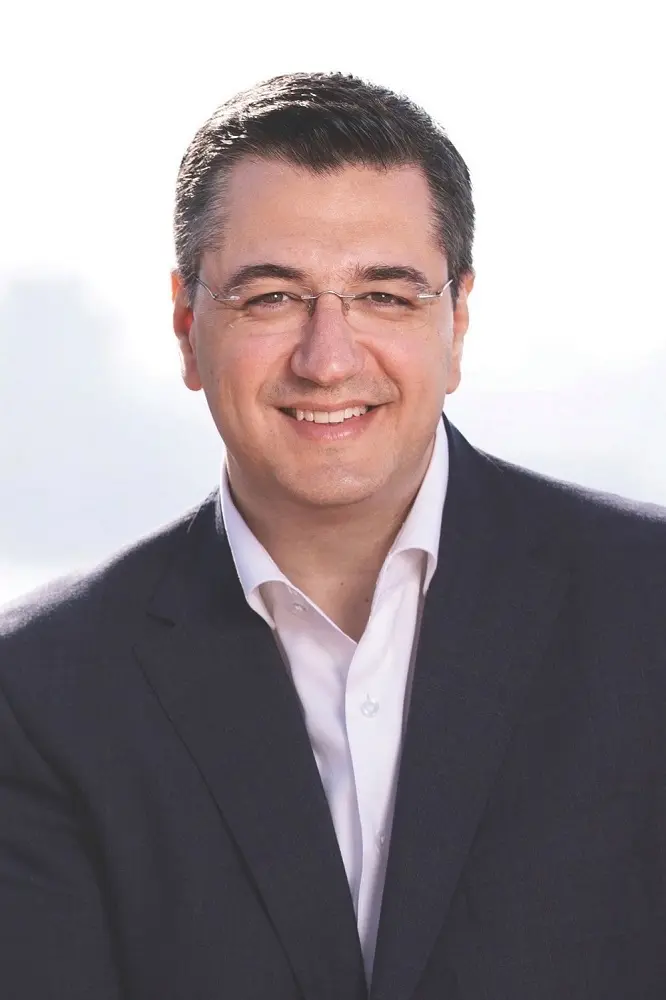
Apostolos Tzitzikostas
2020 - 2022
Greece, EPP (European People's Party)
February 2020: Apostolos Tzitzikostas (EPP), Governor of Central Macedonia in Greece, is elected President. The President laid out three main priorities during his term in office: "First, the European Union must be at the service of its people and their places of living in their villages, cities and regions. We must support territorial cohesion, innovation, entrepreneurship, but also find credible solutions to managing migration led by solidarity. Secondly, regions and cities must focus on understanding and responding to the profound transformations of the current green, digital and demographic revolutions. Finally, we must strengthen European democracy, putting regions and cities at its very heart, in order to bring Europe closer to people."
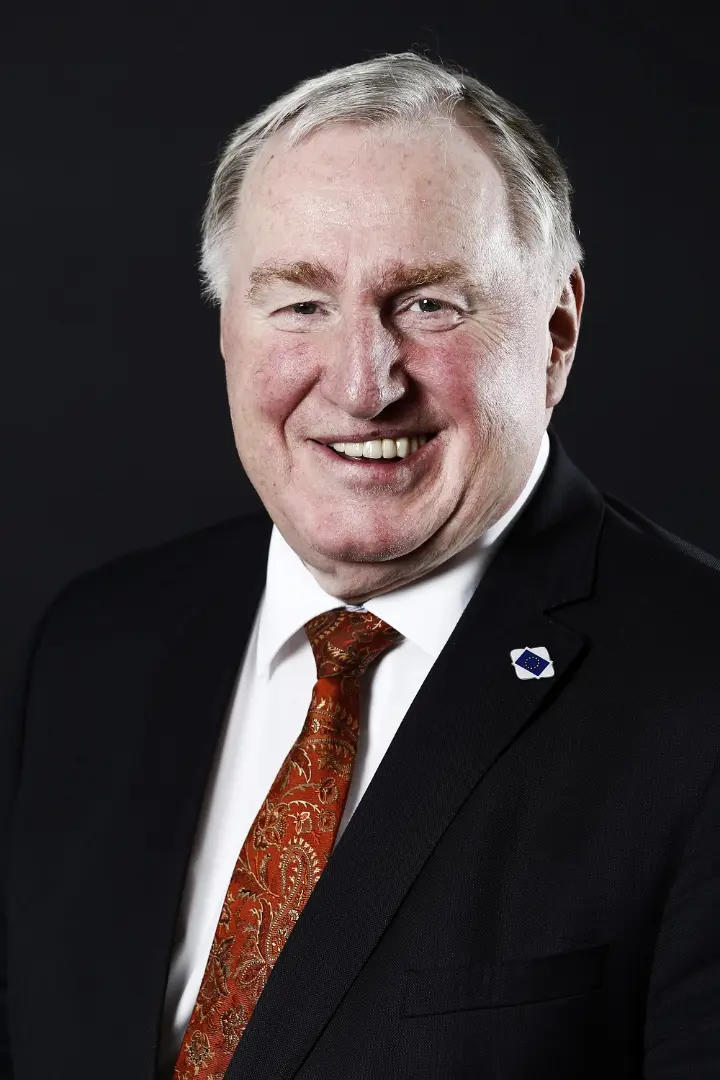
Karl-Heinz Lambertz
2017 - 2019
Belgium, PES (Party of European Socialists)
July 2017: Karl-Heinz Lambertz (PES, BE), member of the Belgian Senate representing the German-Speaking Community, is elected President. Karl-Heinz has been a CoR member since 2001 and was President of the CoR's PES Group (2011- 2015). Since 2000, he has been a Member of the Congress of Local and Regional Authorities of the Council of Europe.
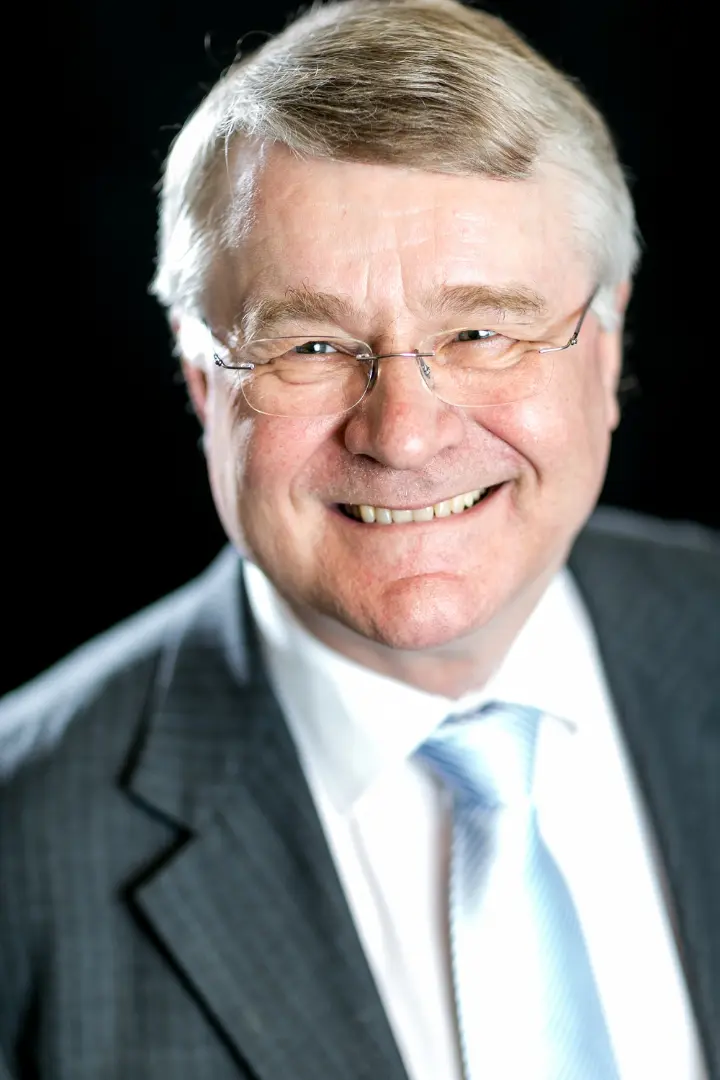
Markku Markkula
2015 - 2017
Finland, EPP (European People's Party)
February 2015: Markku Markkula, member of the Board of Helsinki Regional Council and Chairman of Espoo City Planning Board, is elected President. He is a former member of the Finnish Parliament (1995-2003). During this time, he served as a member of two permanent parliamentary committees: the Committee for Science, Education and Culture, and the Committee for the Future. As an MP his international role included the Presidency of EPTA Council, European Parliamentary Technology Assessment Network.
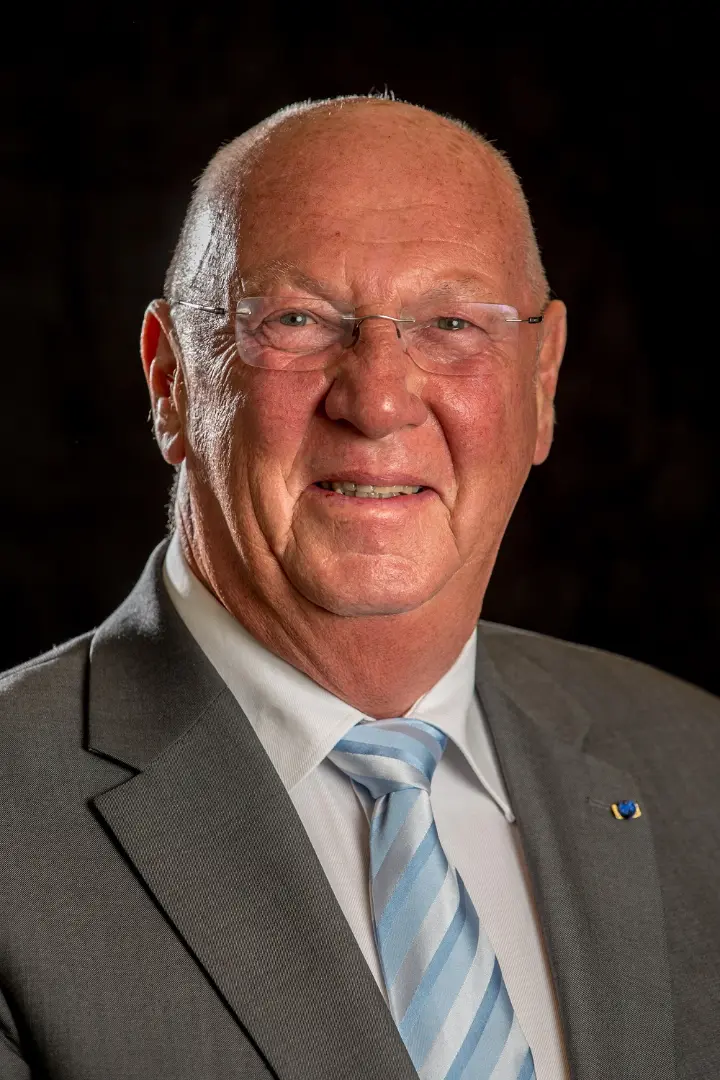
Michel Lebrun
2014 - 2015
Belgium, EPP (European People's Party)
June 2014: Michel Lebrun, local councillor in Viroinval (Belgium), is elected President. After graduating in Philosophy and Literature at the Catholic University of Louvain in 1970, his political career began in 1977 when he was elected as deputy mayor of Viroinval town council (Belgium). From 1992 to 1999 he was Minister of Higher Education, Research and International Relations in the French Community, before serving as Minister for Planning, Infrastructure, Transport and Telecommunications in the Walloon Government.
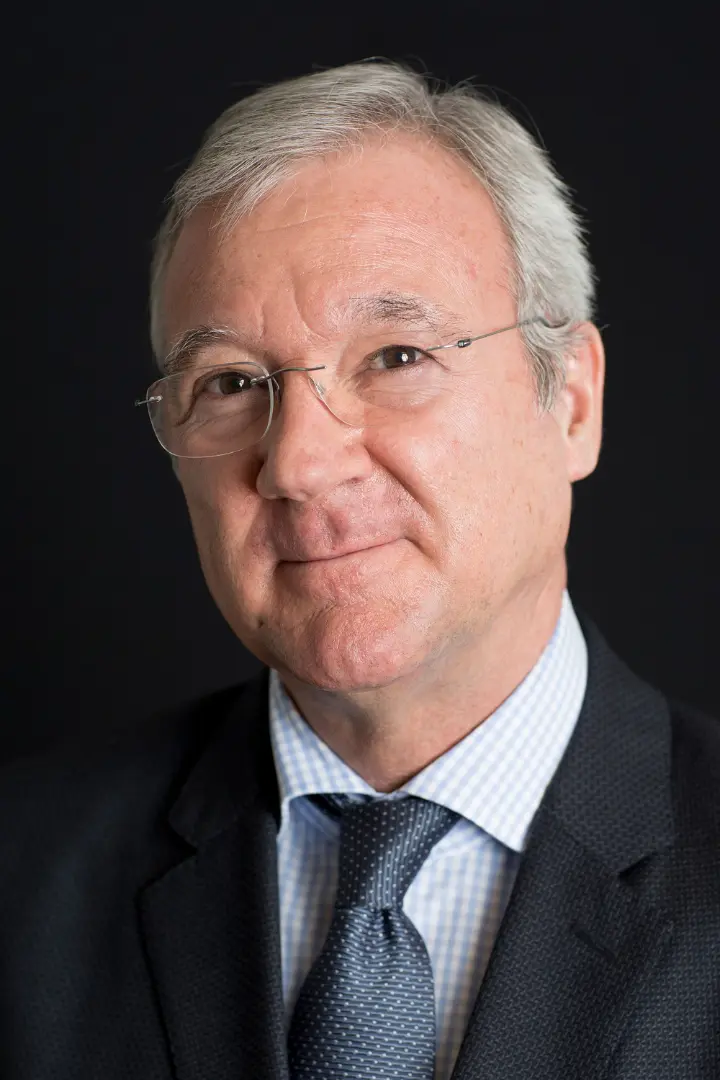
Ramón Luis Valcárcel Siso
2012 - 2014
Spain, EPP (European People's Party)
July 2012: Ramón Luis Valcárcel Siso, President of the Autonomous Community of Murcia, is elected President. Having graduated in Arts and Philosophy at the University of Murcia, he taught the history of art whilst carrying out research related to the art and history of the Murcia Region. In his speech to the plenary, he outlines as his priorities the on-going negotiations for the Multiannual Financial Framework 2014-2020, the new phase of the structural funds and the European Territorial Cooperation policy.

Mercedes Bresso
2010 - 2012
Italy, PES (Party of European Socialists)
February 2010: Mercedes Bresso, a member of the Piedmont regional council, is elected President of the Committee of the Regions on 10 February 2010 and confirmed in office on 9 June 2010. Bresso said: “Local and regional authorities can serve as a reference point for Europe in all of these areas. They are in the front line in times of crisis and have always been the real crucibles for economic, social and environmental innovation.”

Luc Van den Brande
2008 - 2010
Belgium, EPP (European People's Party)
February 2008: Luc Van den Brande, Senator in the Belgian Parliament and a CoR member (EPP/BE) since its inception, is elected president of the Committee. In his speech to the plenary assembly he declares: “We must jettison the hierarchical idea of Europe as a pyramid with the EU above the Member States, the Member States above the regions, and the regions above the towns and local authorities”.
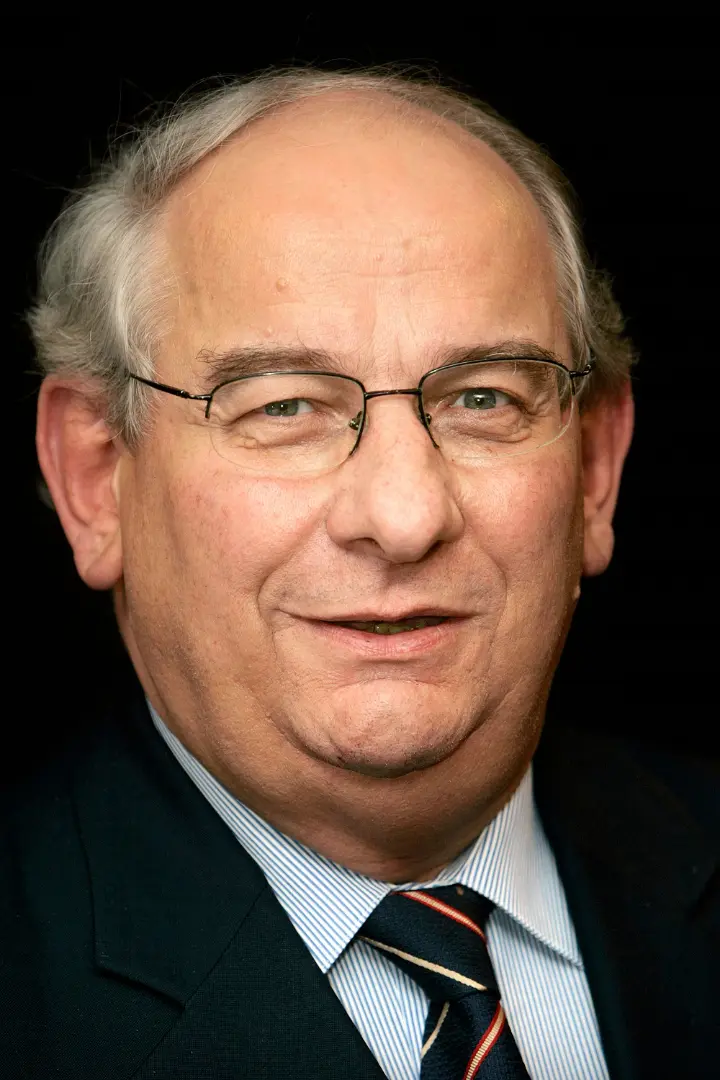
Michel Delebarre
2006 - 2008
France, PES (Party of European Socialists)
February 2006: Michel Delebarre, Mayor of Dunkirk (Nord-Pas de Calais region) and Member of the French Parliament, is elected President of the Committee of the Regions. He states his desire to make the Committee of the Regions a genuinely political European assembly, able to contribute to relaunching a debate on Europe, and identifies the Lisbon Strategy as one of the CoR‘s strategic priorities.
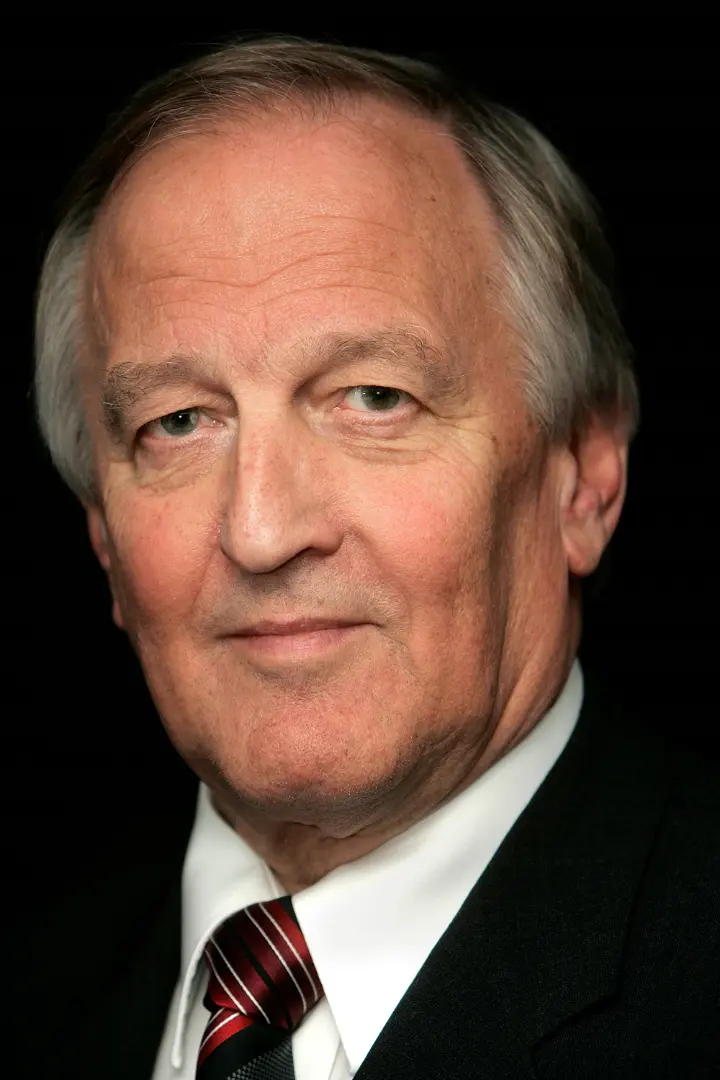
Peter Straub
2004 - 2006
Germany, EPP (European People's Party)
February 2004: Peter Straub, president of the German regional parliament of Baden-Württemberg, is elected President of the CoR. His key aims include strengthening inter-institutional relations and raising awareness about the work of the Committee in the new Member States.

Albert Bore
2002 - 2004
United Kingdom, PES (Party of European Socialists)
February 2002: Sir Albert Bore, leader of Birmingham City Council, is elected President of the Committee of the Regions. He identifies two key aims for his tenure: to ensure regional policy remains a driving force at the heart of the EU agenda; and to tackle the “democratic deficit” that has resulted in the wider public feeling excluded from the EU decision-making process.
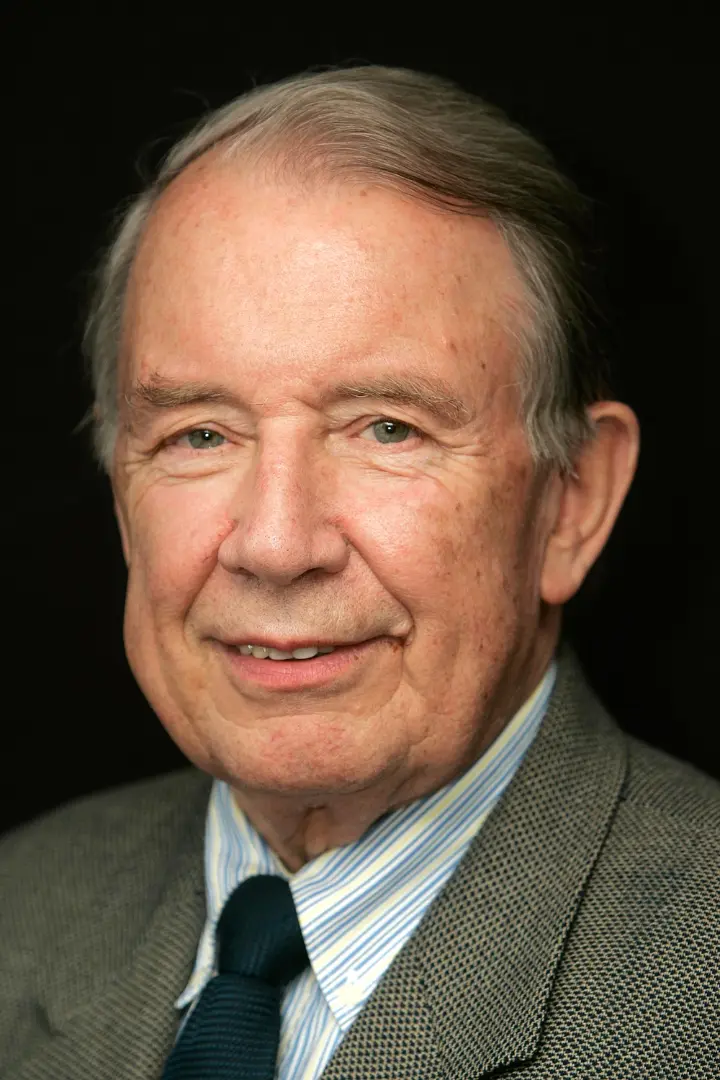
Jos Chabert
2000 - 2002
Belgium, EPP (European People's Party)
February 2000: Jos Chabert, Minister for Public Works and Transport in the Brussels-Capital Region government, is elected President of the CoR. Urging the Committee to forge closer links with the European Parliament and the Council of Ministers, he calls for more emphasis on political opinions and less on technical opinions. He announces five political priorities, in the fields of employment, urban policy, European citizenship, environment and enlargement.

Manfred Dammeyer
1998 - 2000
Germany, PES (Party of European Socialists)
February 1998: Manfred Dammeyer, Minister for Federal and European Affairs for the German Land of North Rhine Westphalia, is elected President of the CoR. He urges greater autonomy for regions, federal states or provinces in the management of the structural funds, as well as a more competitive EU agricultural policy. The assembly ratifies a Bureau proposal to change the number, make-up and remit of the CoR commissions so that they can more effectively handle the new areas of responsibility vested in the Committee by the Amsterdam Treaty.
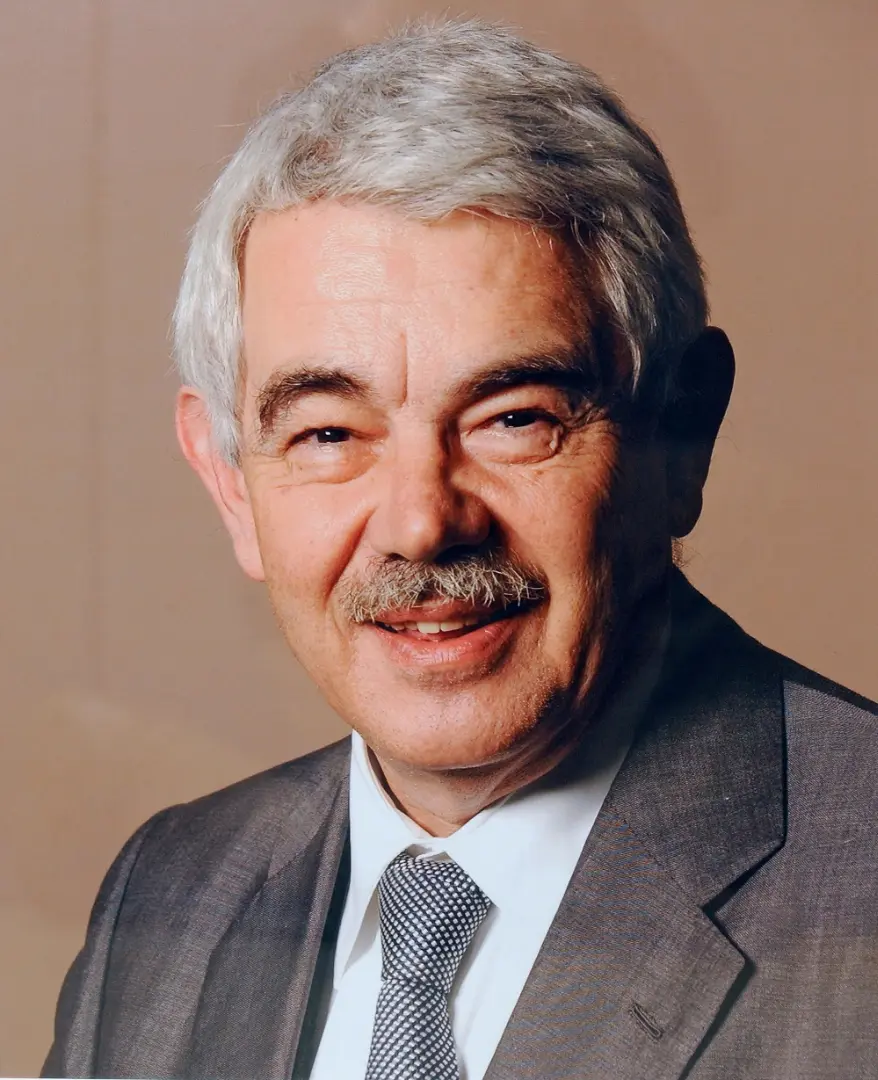
Pasqual Maragall I Mira
1996 - 1998
Spain, PES (Party of European Socialists)
March 1996: Pasqual Maragall I Mira, Mayor of Barcelona, is elected President of the CoR. He pledges to focus on building a transparent, legitimate internal organisation and for the CoR to be given institutional status.
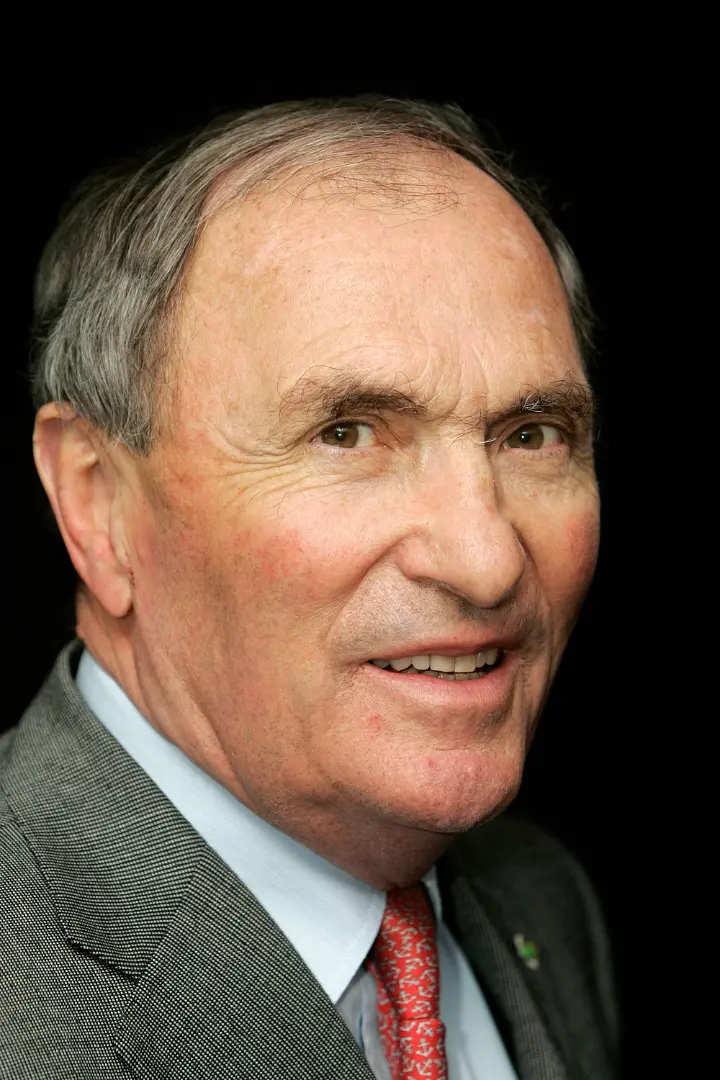
Jacques Blanc
1994 - 1996
France, EPP (European People's Party)
March 1994: Jacques Blanc, leader of the Languedoc-Roussillon regional council, is elected as the first President, with Pasqual Maragall i Mira (PES/ES) as First Vice-President.