Green Deal

Advancing Disaster Resilience in Dalarna County through Sustainable Urban Transition Initiatives

Location: Falun, North Middle Sweden, Sweden

On this page

  • Adaptation to climate change
  • Sustainable territorial and urban planning

The incorporation of virtual participation tools in urban planning has empowered Dalarna’s citizens to play an active role in shaping resilience strategies, demonstrating that inclusive decision-making leads to more effective and widely accepted CCA measures.

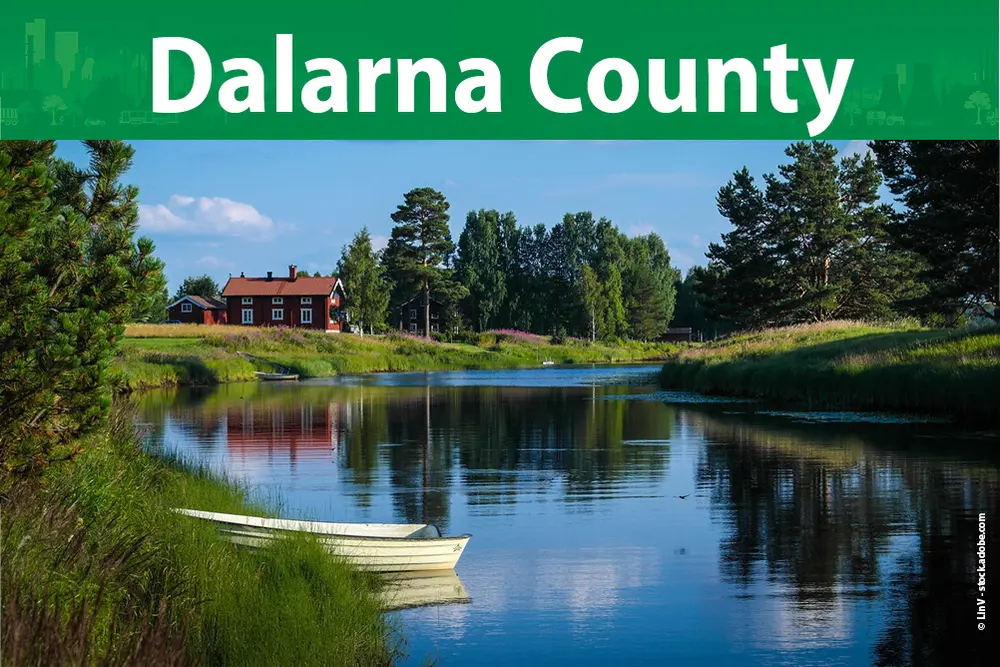
Situated in central Sweden, Dalarna boasts a varied landscape of forests, lakes, and expanding urban centres. The region is increasingly susceptible to climate-related hazards, particularly in low-lying areas. Traditional industries such as forestry and manufacturing, which form the backbone of the local economy, are especially vulnerable to climate variability. Meanwhile, current trends in urbanisation and suburbanisation demand innovative solutions to ensure long-term sustainability and resilience. Cities such as Borlänge and Falun are experiencing dynamic growth, necessitating forward-thinking urban planning to balance economic development with environmental preservation.

Additionally, the region aspires to achieve energy security through renewable solutions, aligning with Sweden’s national goal of achieving carbon neutrality by 2045. Given these challenges, local and regional stakeholders are prioritising strategies that enhance disaster preparedness and climate resilience.

Dalarna has undertaken several initiatives to strengthen disaster preparedness and promote climate resilience at local and regional levels.

Three key projects illustrate the county’s approach:

  • The project "Urban Transformation – The Transition Towards Sustainable Cities" (2023–2025) focuses on developing climate-smart urban planning models that integrate sustainability, disaster preparedness, and resilience. Through inclusive stakeholder engagement and innovative tools, such as VR, the project explores how cities can adapt to changing climate conditions while promoting community ownership of regional development and ensuring social inclusivity and economic growth. Borlänge Municipality serves as a test bed for pioneering urban planning strategies in this experimental project, which received €2.2 million (SEK 24 million) in funding from the Swedish Energy Agency;
  • The project "GransENERGI: Innovative Solutions for the Energy Supply of the Future" (2025–2027), with a budget of €27 million (SEK 290 million) – 60% of which is financed by Interreg Sweden-Norway – aims to strengthen regional energy security through the development of cross-border local energy communities (LECs) and renewable energy innovations. By facilitating energy-sharing, recycling, and storage models, as well as smart grid solutions, the project enhances disaster resilience by reducing dependence on external energy sources and fostering LECs;
  • The pre-study "Green Infrastructure in the Mountains – Nature-Based Solutions for Climate Adaptation" (2023–2024) aimed to enhance climate resilience in regions of Sweden and Norway (for example, Falun Municipality in Dalarna County) by balancing economic growth in tourism and energy production with sustainable land use. Through stakeholder collaboration, this Interreg Sweden-Norway co-funded initiative, with a total budget of €13,500 (EU co-funding of €8,775), identified key ecosystem services that support climate change adaptation (CCA) and developed evidence-based models to guide municipalities, landowners, and other stakeholders in creating multifunctional, climate-resilient landscapes.


Contributor

Commission

Related stories