Poland

Marcin KUCHCIŃSKI
Member
Councillor of the Warmińsko-Mazurskie Voivodeship

EPP (European People's Party)

The grant model shows that targeted funding can drive widespread local innovation in green
infrastructure and ecosystem restoration. Interventions such as green stops and water retention ponds
make benefits of environmental investment visible and tangible for local communities
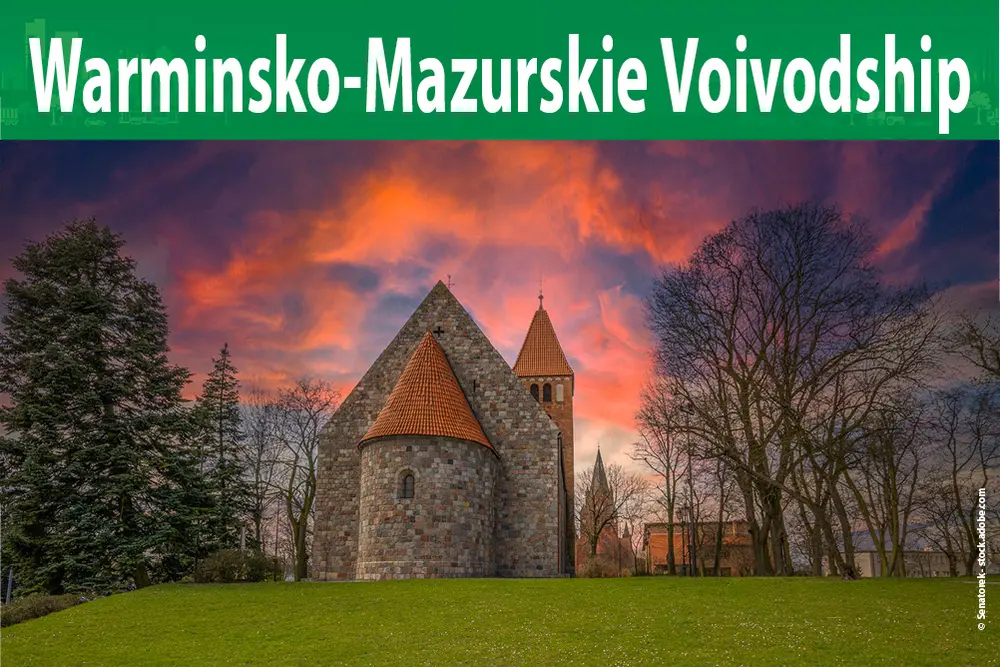
The Warminsko-Mazurskie Voivodship, located in north-eastern Poland, is a region of significant natural value, known for its extensive lakes, forests, and rural landscapes. At the same time, it faces growing environmental pressures linked to climate change, such as water scarcity during dry seasons, increasing temperatures, degradation of biodiversity, and localised air quality issues. Many rural and peri-urban communities in the region lack sufficient resources to implement nature-based or low-carbon solutions independently, despite having clear local potential for action.
In response, the regional authority identified a need to build local government capacity and encourage municipal-led environmental initiatives that could support both biodiversity and CCA. By targeting everyday spaces, such as streetscapes, public transport stops, community parks and local water bodies, the aim was to strengthen ecological resilience at the grassroots level while improving the quality of life for residents.
Since 2022, the Warminsko-Mazurskie regional authority has been running an annual grant programme for local councils called "Niebiesko-zielone granty dla Warmii i Mazur" (Blue-Green Grants for Warmia and Masuria). Now in its fourth round, the programme supports small and medium-sized local projects that aim to improve the environment, support CCA, and encourage the use of clean energy. Projects funded through the programme include rainwater and snowmelt retention, the creation of shared green areas, green infrastructure such as vegetated bus stops, tree and shrub planting, wildlife habitat protection, air quality improvement, and solar panel installation.
Between 2022 and 2024, the programme funded 56 projects across the region, providing around EUR 300,000 (nearly PLN 1.3 million) in total. Thanks to this support, many towns and villages have been able to green their public spaces, install solar energy systems, restore ponds, and take other simple but effective steps to improve their local environment. One example is the small municipality of Barczewo, which received EUR 7,200 (PLN 30,000) to restore a pond in the village of Ramsowo. This project helps the area retain rainwater during heavy rainfall, reducing the risk of flooding and providing water during dry spells. It offers a practical way to address changing weather conditions while also making the area greener and more pleasant for residents.
Poland
Member
Councillor of the Warmińsko-Mazurskie Voivodeship
ENVE works in fields related to the European Green Deal, which include the environment biodiversity, circular economy, zero pollution, climate change, energy, and space policies.