Germany

Mark SPEICH
Member
State Secretary for Federal, European and International Affairs and Media, political accountability to the North Rhine-Westphalia's State Parliament

EPP (European People's Party)
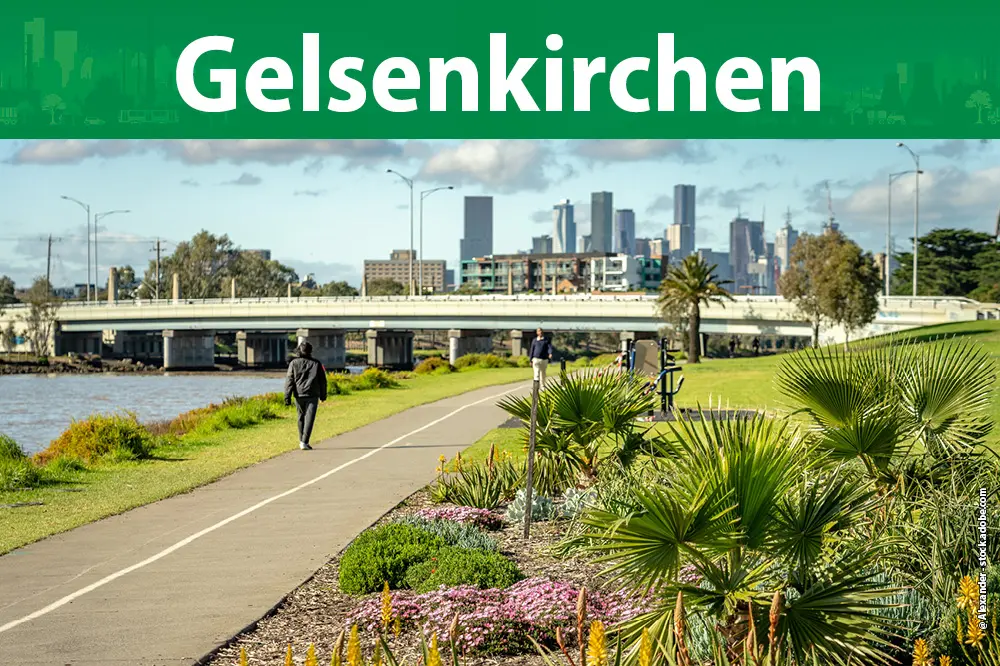
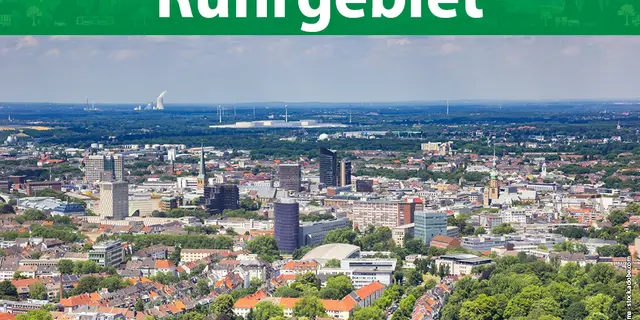
Against the background of the Green Deal, demands are being placed on the area that need to be taken into account at local level. There is a need for greater involvement of residents, as set out in the New European Bauhaus. The project provides a good example of this.
The project is one of a series on the environment, nature conservation and transport funded by the Land of North Rhine-Westphalia to transform urban neighbourhood roads into climate resilient, green and decarbonised meeting places that are more pleasant places to live.
After a conceptual framework was devised, the concept was tested on two specific neighbourhood roads in Dortmund (Neuer Graben) and Gelsenkirchen (Lothringer Straßen). The example of the two roads has shown how the transformation to liveable neighbourhood roads can be achieved.
The two projects developed ambitious, socially sustainable designs for the two roads in a jointly creative and collaborative process. The extensive planning and participation processes were enabled by the project consortium. The drafts were approved by the municipal authorities and political bodies and submitted as part of a regional competition entitled 'Zukunft Stadtraum' (Future of Urban Areas) and received support from the North Rhine-Westphalia Ministry of Homeland, Municipalities, Building and Digitalisation.
As a result, both cities have access to urban development support and the implementation of the draft plans. Experience from the project will now be used for other cities/roads.
Germany
Member
State Secretary for Federal, European and International Affairs and Media, political accountability to the North Rhine-Westphalia's State Parliament
ENVE works in fields related to the European Green Deal, which include the environment biodiversity, circular economy, zero pollution, climate change, energy, and space policies.

Mark SPEICH

Mark SPEICH
Mark SPEICH
