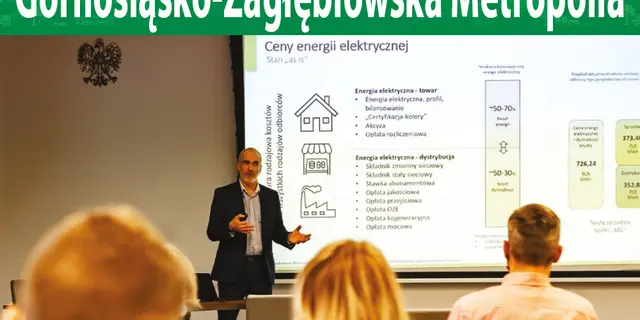
ENVE works in fields related to the European Green Deal, which include the environment biodiversity, circular economy, zero pollution, climate change, energy, and space policies.

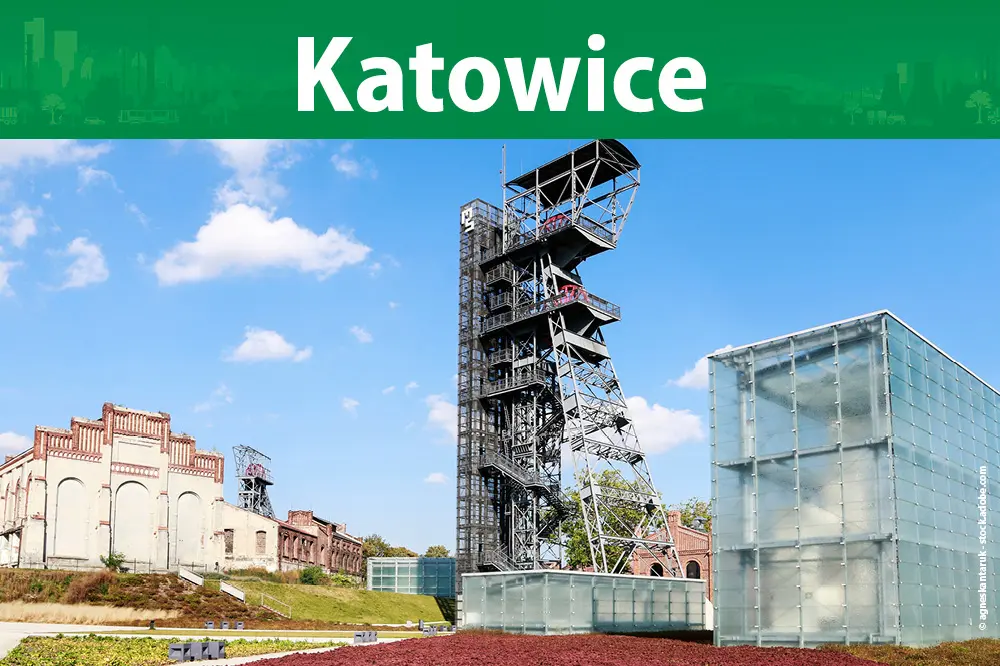
Thanks to its unusual architecture, conservation of certain historical mining buildings and conversion of former mining sites, the Silesian Museum has instantly become one of the most interesting, most typical and most popular places to visit in Katowice. The museum is a symbol of the transformation that is taking place in the city, while also being an unbreakable link between Katowice and its mining past.
The purpose of the Silesian Museum project is to preserve the cultural heritage for future generations, and to enhance the region's touristic appeal. One important factor in improving people's ability to adapt to social and economic change is identity, including regional identity, and so the project is supporting initiatives to nurture the existing cultural heritage and traditions, history, cultural achievements, local customs and language. Developments here make it possible to develop a modern society that is open and creative – helping to optimise human resources. Expanding the cultural infrastructure will help to draw investment and tourism to Silesia.
The Silesian Museum's collections have acquired a new and novel setting: new main premises have been located on a former industrial site, and old mining buildings dating from the turn of the 20th century have been arranged as the exhibition spaces, restaurant and observation tower, from which there is a panoramic view of an ever growing Silesia.
The new Silesian Museum is the first place to be designated a "cultural axis" in Katowice. Others in addition to the new museum building include the International Congress Centre and the home of the Polish National Radio Symphony Orchestra in Katowice.
ENVE works in fields related to the European Green Deal, which include the environment biodiversity, circular economy, zero pollution, climate change, energy, and space policies.