Hélène Dressen
helene.dressen@cor.europa.eu

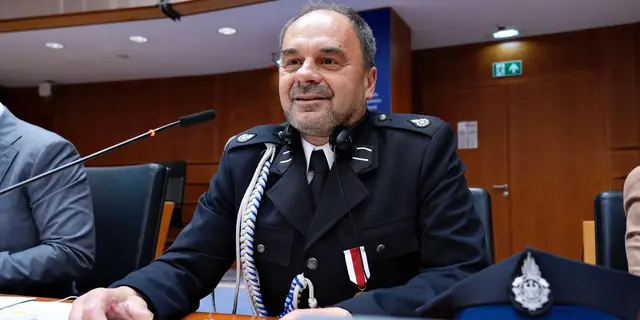
The Chair of the Commission for Natural Resources (NAT) of the European Committee of the regions (CoR), Karsten Uno PETERSEN, participated in the 2024 EU Agri-Food Days to share regions and cities’ main priorities and demands for shaping the future of agriculture and the food sector in the coming years.
For Karsten Uno PETERSEN (DK/PES), regional councillor in South Denmark, the EU must put an end to the current agricultural status quo, “which depopulates our rural areas, devalues the essential work of our farmers, nourishes the geography of discontent and destroys our planet. We need to move towards a fairer, more sustainable and attractive way of producing our food.”
The NAT Chair recalled the key messages of recent opinions adopted by local and regional representatives in the CoR to achieve this goal.
To sustainably resolve the European agricultural crisis, it is crucial to reduce social inequalities by rebalancing CAP payments toward small and medium-sized farms. Ensuring fair and stable prices through effective market regulation – both internally and internationally – is essential to improve farmers' incomes and bring in new generations to tackle the sector's decline. Attracting young farmers also requires fostering vibrant rural areas with improved living conditions as well as strengthened LEADER programmes for rural development and simplified access to fundings.
The President of the NAT Commission added that “this cannot be achieved by downgrading the greening of the CAP nor by renouncing our commitments included in the Farm to Fork strategy. Farmers must be supported in the transition to sustainable farming and therefore the CAP budget for greening should be completed by additional resources.”
Finally, he emphasised the importance of empowering European regions in shaping and implementing agricultural policies, enabling tailored interventions through the regionalisation of the CAP's second pillar.
Background
Webstreaming of the conference.
helene.dressen@cor.europa.eu
Denmark
Member
Regional Council Member, South Denmark Regional Council


Distretto Sardegna Bio in Italy and Cussac-Fort-Médoc in France were awarded the EU Organic Awards 2026 for ‘Best organic region/bio-district’ and ‘Best organic city’ respectively, at a ceremony held…

Local and regional leaders urge a comprehensive approach to bringing new generations into farming.

The growing frequency of natural and human-induced disasters, from floods and wildfires to health emergencies and geopolitical threats, demonstrates the need to give a voice to the cities and regions…