ENVE works in fields related to the European Green Deal, which include the environment biodiversity, circular economy, zero pollution, climate change, energy, and space policies.

The AQUALITRANS project has made it possible to quantify at 20% the energy-saving potential of WWTPs in the Euroregion. This would result in annual savings of an estimated EUR 3.5 million, avoiding the emission of 12 500 tonnes of CO 2 into the atmosphere each year and guaranteeing the quality of the water treated.
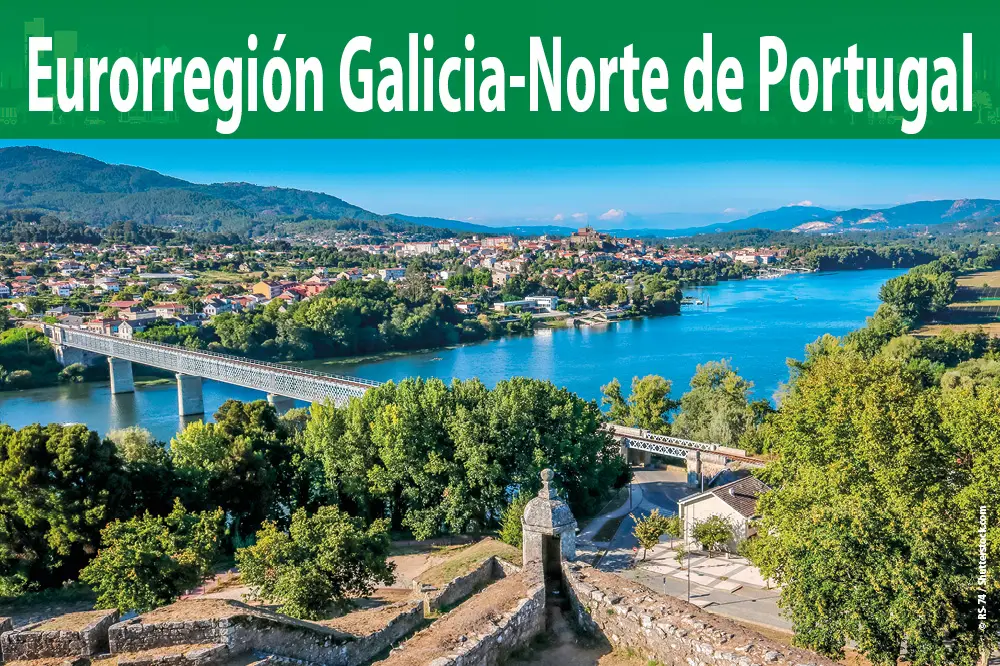
The Galicia-Northern Portugal Euroregion has vast natural resources and enjoys a privileged position as regards the availability of water resources. These natural resources must be protected, as they are a fundamental asset in supporting the development of society. They must also be used more efficiently.
AQUALITRANS stems from the commitment of public administrations to create an efficient and sustainable energy model for waste water treatment plants (WWTPs), thereby contributing to Europe's overall objectives of sustainable development and environmental protection.
The project has provided the knowledge and resources needed to improve the energy efficiency of the waste water treatment process in the WWTPs, guaranteeing the quality of the water treated at all times and achieving better purification yields, decreasing energy consumption and CO 2 emissions and reducing processing problems.
The great value of the AQUALITRANS project lies in the cooperation established between Galicia and Northern Portugal. This, together with the innovative use of ICT, has enabled common challenges to be overcome.
The project combines six activities:
1) context of WWTPs in the Euroregion;
2) improving efficiency in the management of WWTPs;
3) advanced WWTP management tool in the Euroregion;
4) development of pilot schemes;
5) management and coordination;
6) communication.
Pilot projects have been launched in six WWTPs and four training days have been developed.
ENVE works in fields related to the European Green Deal, which include the environment biodiversity, circular economy, zero pollution, climate change, energy, and space policies.
Alberto NUÑEZ FEIJOO

Alberto NUÑEZ FEIJOO
