ENVE works in fields related to the European Green Deal, which include the environment biodiversity, circular economy, zero pollution, climate change, energy, and space policies.

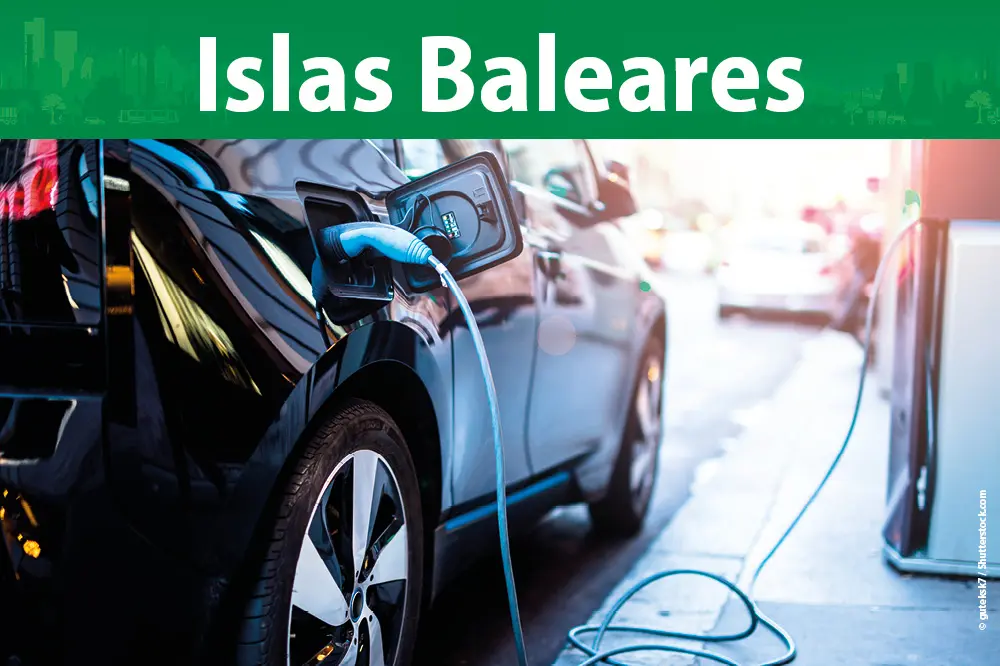
From installing solar panels on public buildings to banning new diesel cars by 2025, the Balearic Islands provide an example to other islands aiming for total decarbonisation.
The Balearic Islands have transformed their energy policy and they hope to become a point of reference for other islands that are aiming for total decarbonisation by 2050. The baseline is provided by a regional climate change and energy-transition law that emerged from a two-year participatory process involving business groups, workers' unions, green organisations and political parties. This will ensure a stable, consensual policy between political terms in office. Since 2017, the regional government's hospitals, trains, offices, schools or water treatment plants have been powered by energy certified as coming from renewable sources. Solar panels are now being installed on public buildings, covering tens of thousands of square metres.
By 2025, all large car parks on the islands will have to have solar panels. From 2025, new diesel cars will be banned from the region's roads. From 2035 onwards, the regional government wants to ensure that all new vehicles are emission-free, and it has already installed over 500 public electric-vehicle charging points. As part of this shift, from 2020, car-hire companies must have some zero-emission vehicles in their fleets; by 2035, all new vehicles in their fleets will have to be electric.
Other businesses are now also being obliged to take action. Starting in 2020, large- and mid-sized enterprises must calculate and report on their carbon footprint every year. From 2025, they will be obliged by law to reduce their carbon emissions.
ENVE works in fields related to the European Green Deal, which include the environment biodiversity, circular economy, zero pollution, climate change, energy, and space policies.

