ENVE works in fields related to the European Green Deal, which include the environment biodiversity, circular economy, zero pollution, climate change, energy, and space policies.

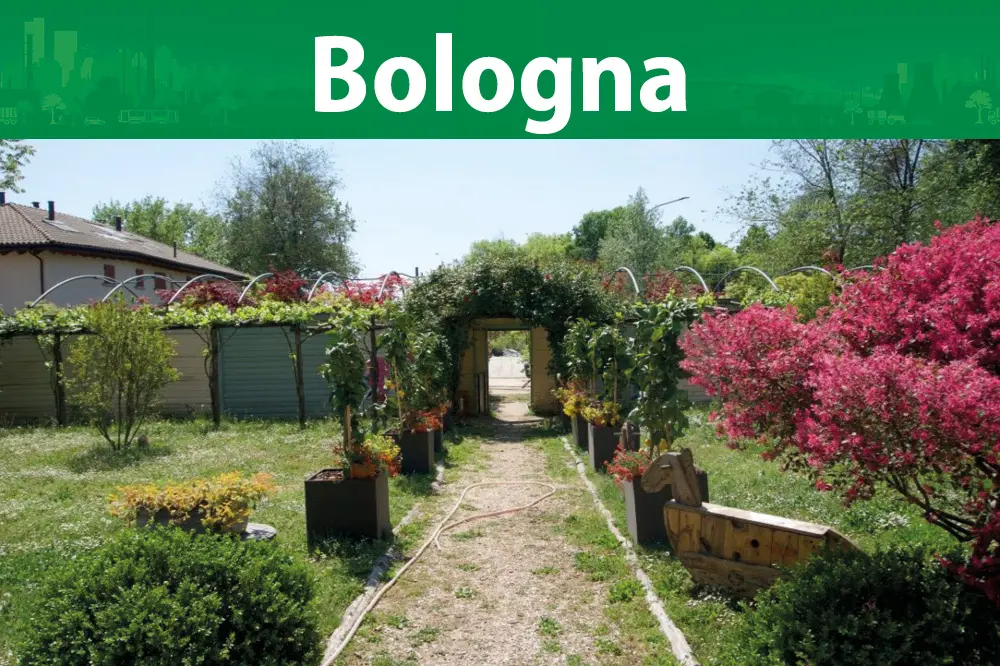
The conservation of nature and ecosystem services is one of the cornerstones of the sustainability of human life on earth. Ladybirds and bees form the basis of ecosystem services – pest control and pollination – particularly hard hit in the urban environment.
The "functional biodiversity" areas designed by the ResCUE-AB study centre of the University of Bologna are based on the so-called SNAP strategy (shelter, nectar, alternative prey and pollen): combining winter and summer shelter areas, nectar and pollen (i.e. scalar flowering plants), and alternative prey (plant-eating insects, presenting little or no danger to crops). These areas can be considered, from the point of view of agricultural production, fully-fledged "field breeding sites" for insects useful for agriculture, but their integration into cultivated areas and non-cultivated green areas forms the basis for the creation of a real urban ecological corridor.
The biodiversity of the invertebrates will also be supported by a strip of scalar flowering plants, and four "bee hotels" suitable for the nesting of Mason bees and other wild bees.
The direct sale of the agricultural products at local street markets in Bologna, as well as the development of the area through educational and training programmes underpin the economic sustainability of the project. The employment of disadvantaged people constitutes the social value of the project.
ENVE works in fields related to the European Green Deal, which include the environment biodiversity, circular economy, zero pollution, climate change, energy, and space policies.
Virginio MEROLA


