

Local leaders join forces with the Danish Presidency on resilience and security and urge the Council to listen to regions and cities’ concerns on the next EU budget
On this page
- Bureau
- Disinformation
- Cohesion Policy
- Area of freedom, security and justice

EU cities and regions count on support from the Danish Presidency of the Council of the EU to boost the resilience at local and regional level against external threats, such as cyberattacks or disinformation campaigns. In this week's meetings with representatives of the Danish government, President Kata Tüttő and other leading members of the European Committee of the Regions (CoR) also urged the Council presidency to listen to the concerns of cities and regions regarding the proposal for the next long-term budget of the EU by ensuring that all EU regions are eligible to cohesion funding managed in partnership with local and regional authorities.
The CoR's Conference of the Presidents met on Thursday 18 September in Copenhagen with Torsten Schack Pedersen, Minister for Resilience and Preparedness of Denmark. CoR President Kata Tüttő, Member of Budapest City Council, pointed out that that local and regional authorities are central in resilience strategies for risk anticipation and shaping preparedness measures: “The resilience of societies building on trust, it is key to rely on the highest levels of trust enjoyed by the regional and local leaderships. At the same time, resilience comes with a price. This price needs to be reflected in the possibility for cohesion funding to finance resilience measures in the next 2028-2034 long-term budget of the EU”, she said.
On the day after, the CoR's Bureau composed of representatives from all national delegations and political groups gathered in Helsingør. In the opening session, Denmark's Minister for European Affairs Marie Bjerre took note of the Bureau members’ concerns on the plans to centralise the management of cohesion funding, to terminate the availability of cohesion policy to all categories of regions and to amalgamate cohesion and agriculture policies. The Minister called to find the right balance between boosting Europe’s competitiveness, defence and regional development, with a cohesion policy spending that responds to these challenges and is linked to reform requirements and the respect of the rule of law. Minister Bjerre confirmed her participation in the CoR plenary session on 14 October to continue the debate with local and regional leaders.
CoR President Tüttő said: "The Danish Presidency of the EU Council carries the key responsibility of kicking-off the negotiations on the next EU budget. The proposal tabled by the European Commission in July risks weakening and destabilising our Union by heavily centralising its growth strategies and investments. Deciding who does what in the next EU budget is decisive, as much as agreeing on figures. For this reason, we urged the Danish Presidency not to put the cart before the horses and avoid that the ongoing discussion among member states focus only on the budgetary aspects.”
The focus of the Bureau debates was on strengthening the preparedness against threats to security and democracy at local and regional level, with a keynote speech from Věra Jourová, former Vice-President of the European Commission and currently vice-rector of the Charles University in Prague. Speakers highlighted the need to raise awareness and increase investments in digital resilience of local and regional administrations that remain among the most vulnerable targets for cyberattacks and oversee critical infrastructure, including healthcare. However, they face challenges such as fragmented coordination, limited budgets, and talent shortages. Bureau members also underlined the role of diverse and secure supply chains in strengthening the preparedness for future shocks.
Protecting the resilience of democracy against rising extremism, polarisation and disinformation is another big challenge for all public authorities. Local leaders recalled the key role of cities and regions in building trust in democratic processes and institutions by ensuring transparency, accountability and public participation.
The meetings in Denmark were hosted by Anders Kühnau, Chairman of Danish Regions, and Erik Flyvholm (DK/Renew E.), Representative of Local Government Denmark.
Members
-
-
Hungary

Kata TÜTTŐ
Member
Member of the General Assembly of Budapest Capital
 PES (Party of European Socialists)
Related news
-
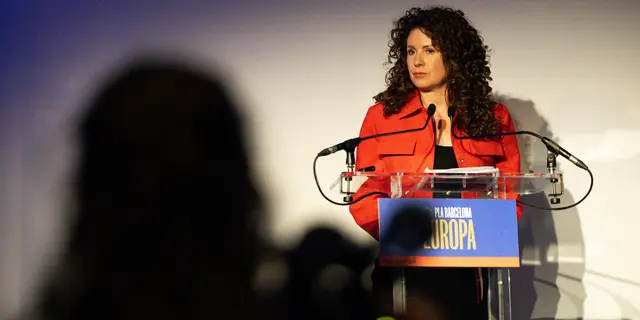
The President of the European Committee of the Regions (CoR), Kata Tüttő, will on 12 October present the CoR's 2026 report on the 'State of Regions and Cities'.
-
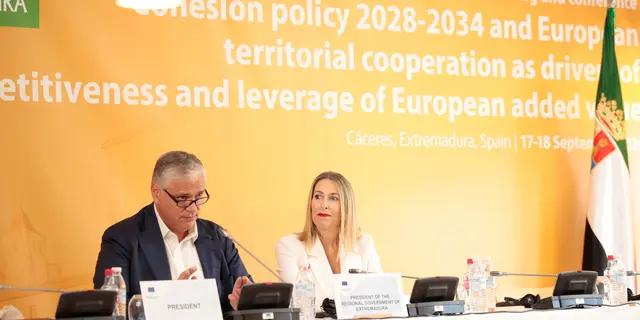
As air-raid sirens sound across countries bordering Ukraine, and coinciding with the latest Russian attacks near the Polish border, regions and cities representatives gathered in Cáceres, Spain to…
-
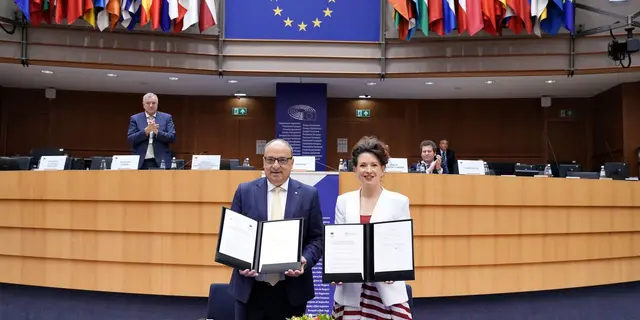
The European Committee of the Regions (CoR) and the Conference of Cantonal Governments of Switzerland (CCG) signed a Memorandum of Understanding (MoU) on 2 July 2026, during the CoR plenary session.