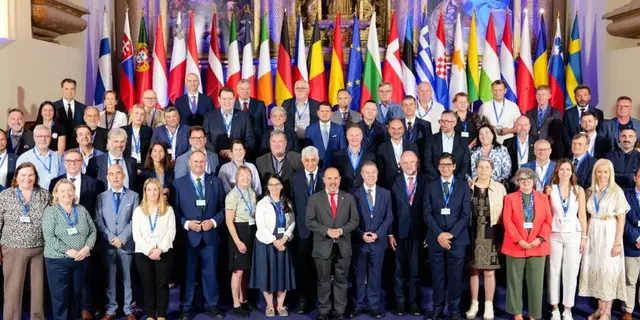

Regions should have bigger role in forming Europe’s bioeconomy strategy
On this page
- Agriculture, Maritime and Consumer policies
- Biodiversity
- Environment
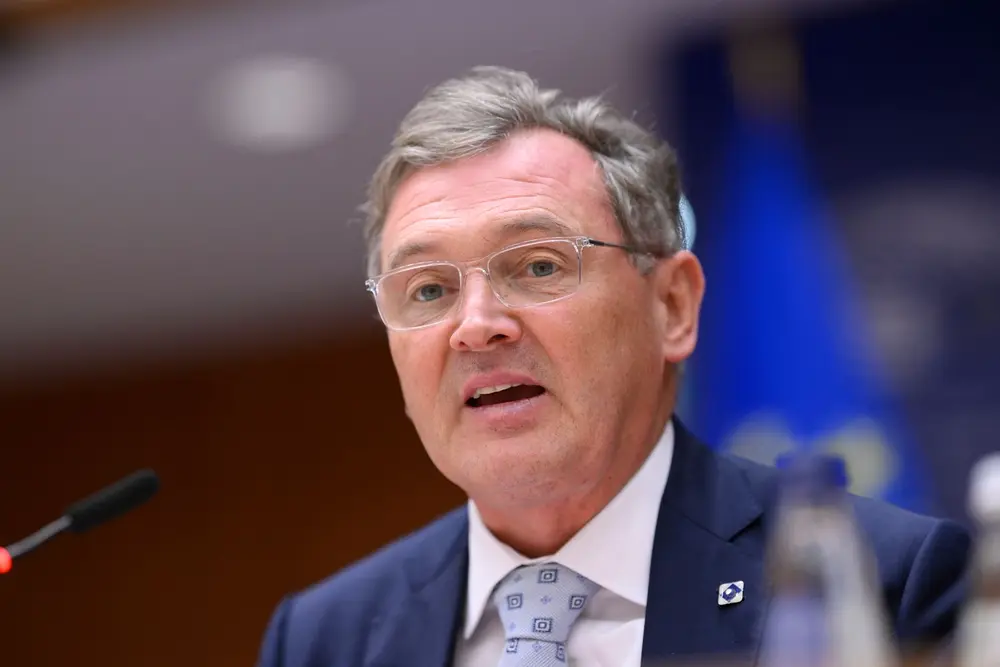
Regions see opportunity to develop regional value chains jobs and local innovation.
The European Committee of the Regions (CoR) unanimously adopted an opinion led by Karl Vanlouwe (BE/EA) during its plenary session on 14 October, calling for local and regional authorities to have a stronger role in shaping and implementing the EU’s bioeconomy strategy.
The CoR welcomed the European Commission’s proposal for a revised strategic framework for a competitive and sustainable EU bioeconomy. It underlined that the sector has huge opportunities for economic development and diversification for farmers and small and medium-sized enterprises (SMEs), as well as for creating high-quality jobs, particularly in rural areas.
The bioeconomy already accounts for 17.1 million jobs in the EU and €863 billion in value added. By replacing fossil-based inputs and strengthening domestic production capacities, the bioeconomy can also contribute to reducing emissions, enhancing EU strategic autonomy and strengthening resilience to external shocks, the CoR argues.
Local and regional authorities play a key role in putting the bioeconomy into practice. The CoR's opinion calls for their structured involvement in the governance and implementation of the EU Bioeconomy Strategy, including in the future EU coordination platforms, investment forums and governance structure linked to the European Competitiveness Fund. It also stresses the need for simpler regulations and lighter administrative burdens for SMEs and regional actors.
Regions and cities also see the bioeconomy as a means of diversifying local economies and developing local and regional value chains, particularly in rural and industrial areas. The CoR therefore argues that measures should reflect territorial specificities and the place-based nature of bioeconomy value chains. The CoR also calls for continued support for regional innovation systems and Regional Innovation Valleys, including through Interreg, and for successful EU initiatives such as the Circular Bio-based Europe Joint Undertaking, the EU Circular Cities and Regions Initiative.
The opinion also advocates for market-oriented measures, including through public procurement, to stimulate demand for bio-based products. Possible measures to strengthen their competitiveness include proposals to increase the use of bio-based products in construction and promote the re-use and recycling of materials, together with clearer criteria for bio-based by-products and for determining ‘end-of-waste' status when former waste can be considered a product or material. The CoR stresses the need for clear certification and labelling frameworks, including information on durability and the environmental and carbon footprint of construction and textile products, so that consumers can better identify bio-sourced materials.
Quote:
Rapporteur Karl Vanlouwe (BE/EA), member of the Flemish Parliament: "Europe has the knowledge, regional clusters and entrepreneurs to turn bio-based innovations into successful businesses, but too many start-ups struggle to scale up because of complex and fragmented rules. By making it easier to bring these solutions to market and strengthening regional value chains, we can create jobs and reinforce Europe’s strategic autonomy.”
Background:
- Photos and videos of the Plenary Session.
- Follow the Press service account on X.
- The European Commission’s Strategy for a Competitive and Sustainable EU Bioeconomy was published on 27 November 2025. More information.
Contact:
Hélène Dressen
Tel: +32 471502795
Members
Related news
-
The European Committee of the regions (CoR) has adopted unanimously an opinion on the Common Market Organisation and the EU School Scheme during its Plenary session on 14 October. Led by Alessio…
-
Regions and cities have adopted a set of recommendations to tackle the rise of cardiovascular diseases, calling for stronger social, environmental and commercial prevention measures and a greater…
-
Members of the Commission for Natural Resources (NAT) of the European Committee of the Regions (CoR) gathered on 1 and 2 October in Castilla-La Mancha, Spain, to address the growing wildfire risk…