Kohalikud ja piirkondlikud juhid nõuavad tungivalt kaitset diskrimineerimise, kahjulike usuvahetustavade ja vaenukõne eest
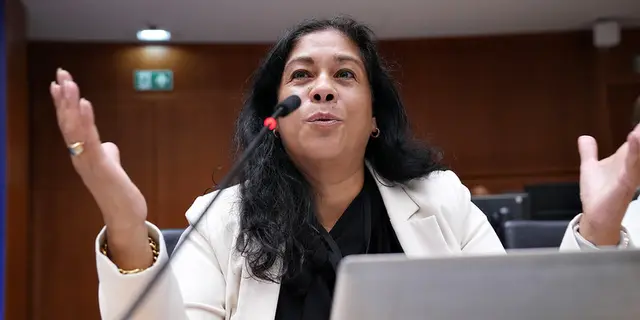

With one in four children at risk of poverty and social exclusion in the EU, local and regional leaders adopted their recommendations to guarantee free education, childcare, school canteens, and healthcare to vulnerable children across the UE, at the European Committee of the Regions plenary session on 18 April. They called for local and regional authorities to be given direct access to EU funding to deliver these objectives on the ground.
Around 20% of the EU's population are children, and one in four children lives at risk of poverty, aggravated by pandemic's economic impact and the rising cost of living. In a debate, members of the European Committee of the Regions (CoR) stressed the need for tailored strategies to tackle child poverty and social exclusion, considering regional differences.
Regions and cities advocated for integrated responses, supported by regional authorities, across health, education and justice to ensure children's access to essential services. They emphasised the need for adequate financial commitment and recommended fully using resources, such as the European Social Fund Plus (ESF+), to implement integrated child protection systems effectively. Proposals included allocating at least 5% of ESF+ funds to combat child poverty and advocating for direct access to EU funding by local authorities for swifter action.
The CoR highlighted the importance of involving children and young people in shaping policies that affect them.
In two opinions adopted during the plenary session, local and regional leaders prioritise children's well-being and protection against poverty, violence, and social exclusion in their recommendations:
Implementing the European Child Guarantee at local and regional level
The opinion led by Enzo Lattuca (IT/PES), President of the Province of Forlì-Cesena and Mayor of Cesena, highlights the concern about child poverty, recognising it as one of the Union's most serious social challenges. Almost three years after the establishment of a European Child Guarantee, the CoR stated that understanding the different causes of child poverty is essential, requiring diversified and integrated policies that consider local specificities.
Local and regional leaders emphasised the need for local and regional action plans in addition to national plans, to implement the European Child Guarantee effectively. These plans should be tailored to the specific needs of the community and ensure that the most vulnerable children receive a package of free minimum services, including education, childcare, school canteens, and health.
Strategies to combat child poverty should be aligned with employment policies, to cover the entire life cycle, from children to adults.
CoR members also supported the European Parliament's proposal to create a European Children's Capital inspired by the model of the European Capital of Culture. The intention behind this proposed annual designation is to encourage cities to prioritise child-friendly environments and policies.
Empowering Local and Regional Authorities in Integrated Child Protection Systems
The opinion drafted by Peter Kaiser (AT/PES), Governor of Carinthia, stated that there is an urgent need to promote a community culture of zero tolerance towards any form of violence against children for a fairer Europe.
Poverty increases children's vulnerability to violence. It emphasised the need for strategies that combine child protection and poverty reduction. The opinion called for creating effective and accessible local child protection systems that integrate social and health services, schools, and various community organisations and favour a safe and inclusive environment.
The CoR members pointed out that systems aimed at the well-being and protection of children are most effective at the local and regional levels, and local and regional authorities are vital in implementing early intervention measures to protect vulnerable children.
Quotes:
Rapporteur Enzo Lattuca (IT/PES), President of the Province of Forlì-Cesena and Mayor of Cesena, said: "With around 20 million children at risk of poverty or social exclusion in Europe, it is essential that the Child Guarantee is implemented effectively, primarily in the member states most affected by child poverty. Our ambition is to empower local authorities, cities and the regions who are at the forefront in the implementation of this European policy: guaranteeing essential rights to all children, from nurseries to homes, from health to education. It is a progressive battle on which Europe cannot back down."
Rapporteur Peter Kaiser (AT/PES), Governor of Carinthia, affirmed: "The Committee of the Regions' broad support for ambitious child protection at all levels in Europe shows how important this issue is for all of us. Our children are our future. We therefore have to do everything we can to ensure that the youngest people in Europe have all the rights so that they can grow up safely, freely, with the best possible support, with equal rights and protected from violence and abuse. European regions in particular are crucial in this context, because child protection is ultimately implemented and practiced locally in the educational and social institutions."
More information:
European Child Guarantee: The European Council adopted a Recommendation establishing a European Child Guarantee in June 2021. It aims to prevent and combat social exclusion by guaranteeing children in need effective access to key services, namely education, healthcare, and housing. The Recommendation asks that Member States submit action plans on how they will implement the child guarantee that covers the period until 2030. Twenty-four Member States have adopted their plans and are in the implementation phase.
Integrated Child Protection Systems: The European Commission adopted a recommendation on integrated child protection systems on 23 April 2024, to which Peter Kaiser's opinion had contributed upstream. The initiative aims to encourage all relevant authorities and services to work together in a holistic way to protect children.
Contact:
Name: Ângela Machado
Tel: +32 475 41 31 58
Angela.machado@cor.europa.eu
Kohalikud ja piirkondlikud juhid nõuavad tungivalt kaitset diskrimineerimise, kahjulike usuvahetustavade ja vaenukõne eest
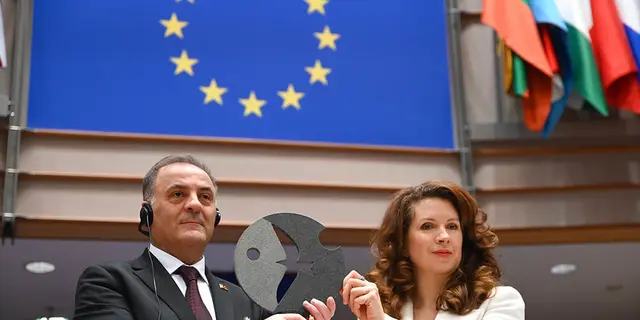
Istanbuli linnapea Ekrem İmamoğlu sai viienda linnapea Paweł Adamowiczi auhinna demokraatia, solidaarsuse ja kohaliku omavalitsuse sõltumatuse kaitsmise eest püsiva poliitilise surve, vihakampaaniate…
Pärast arutelu sotsiaalõiguste ja -oskuste valdkonna juhtiva asepresidendi Roxana Minzatuga võttis Euroopa Regioonide Komitee 14. oktoobril toimunud täiskogu istungjärgul vastu arvamuse tulevase ELi…
