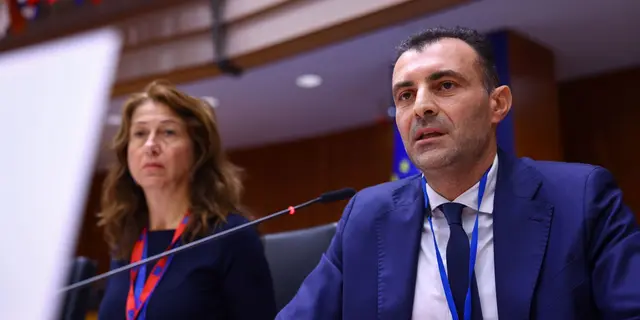
Euroopa Regioonide Komitee võttis 14. oktoobril toimunud täiskogu istungjärgul vastu arvamuse ühise turukorralduse ja ELi koolikava kohta. Emilia Romagna piirkonna põllumajandusministri Alessio Mammi…
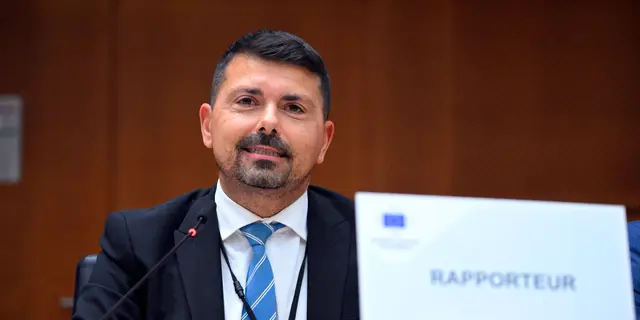

Members of the NAT commission met on November 23 to exchange views on mental health as a crucial aspect of the well-being of EU citizens and on the impact of new genomic techniques and of the plant reproductive material regulation's reform on agricultural and food production systems at local and regional level.
New genomic techniques and plant reproductive material
The European Commission transmitted proposals for a Regulation on plants obtained through new genomic techniques (NGT) and a Regulation on the reform of the rules governing the production and movement of Plant Reproductive Material (PRM). Although the CoR supports the development of sustainable and resilient production systems to maintain agriculture throughout the territory and thus preserve rural vitality, members expressed reservations about the proposals' risks to biodiversity and organic farming, as well as their patentability and administrative burden.
Rapporteur Erik Konczer (HU/PES), member of Komárom-Esztergom County Government, said: "The new genomic techniques and the reform of the regulation on plant reproductive material could represent a series of risks for the future of European agriculture: farmers' dependency on the big seeds' companies, contamination of organic production and loss of biodiversity, traceability for consumers and farmers. The commission's proposal must be amended to ensure freedom of choice for farmers, consumers and regions. The inter-institutional calendar must also allow for time for the debate with all stakeholders concerned."
Mental health
During the 20th meeting, NAT members discussed the local and regional dimension of the new comprehensive approach to mental health adopted by the European Commission to put mental health on an equal footing with physical health and to ensure a new, cross-sectoral approach to mental-health issues. Sub-national authorities play a crucial role in overseeing mental-health services, as well as other mental health-related services like housing and education. The issues of data, children and young people, fundings and technical support were among the main topics explored.
Rapporteur Mieczyslaw Struk (PL/EPP), member of the Pomorskie Regional Assembly, said: "The contribution we want to make to the European debate on mental health will be based on the experiences of local and regional authorities from across Europe. In Pomorskie region, we are implementing the 'Better Future' project through a comprehensive yet intuitive portal that is designed to provide an interdisciplinary intervention and psychological support for children and adolescents, involving teachers, educators, police officers and local authorities. We need a global approach to tackle mental-health issues; there is no way around it."
Tourism and rural development
Further in the meeting, members discussed on the study on "Tourism and Rural Development" together with the World Tourism Organization (UNWTO). The study determined that the primary obstacles to rural tourism were depopulation, digital connectivity, infrastructures, and skill levels. It is imperative that local communities have access to appropriate management plans and tools to effectively oversee local tourism and anticipate any potential negative externalities, the study argues. Therefore, making use of local opportunities and involving socio-economic stakeholders can have a favourable impact on factors such as population growth, income diversification, and regional appeal. The study will be published in January.
Lorenzo Galligani (IT/ECR), member of the Municipal Council of Pistoia and member of the jury selecting the next European Capital of Smart Tourism competition, said: “The study illustrates how tourism can stimulate rural economic life, but also how, if not properly managed, it can damage local communities. There are many good examples across Europe of what can be done to tap into the potential of local creativity to boost tourism and to generate wealth within our rural communities."
The NAT further appointed rapporteurs to work on the crucial reform of the Common Agricultural Policy (CAP), on creating an EU Blue Deal from an agriculture and rural development perspective across EU regions and on addressing shortages of medication in the EU.
Background:
Webstreaming of the meeting.
Euroopa Regioonide Komitee võttis 14. oktoobril toimunud täiskogu istungjärgul vastu arvamuse ühise turukorralduse ja ELi koolikava kohta. Emilia Romagna piirkonna põllumajandusministri Alessio Mammi…
Euroopa Regioonide Komitee võttis 14. oktoobril toimunud täiskogu istungjärgul vastu Karl Vanlouwe (BE/EA) juhitud arvamuse, milles kutsutakse üles suurendama kohalike ja piirkondlike omavalitsuste…
Piirkonnad ja linnad on võtnud vastu soovitused südame-veresoonkonna haiguste sagenemise vastu võitlemiseks, nõudes tugevamaid sotsiaalseid, keskkonnaalaseid ja kaubanduslikke ennetusmeetmeid ning…