Spain
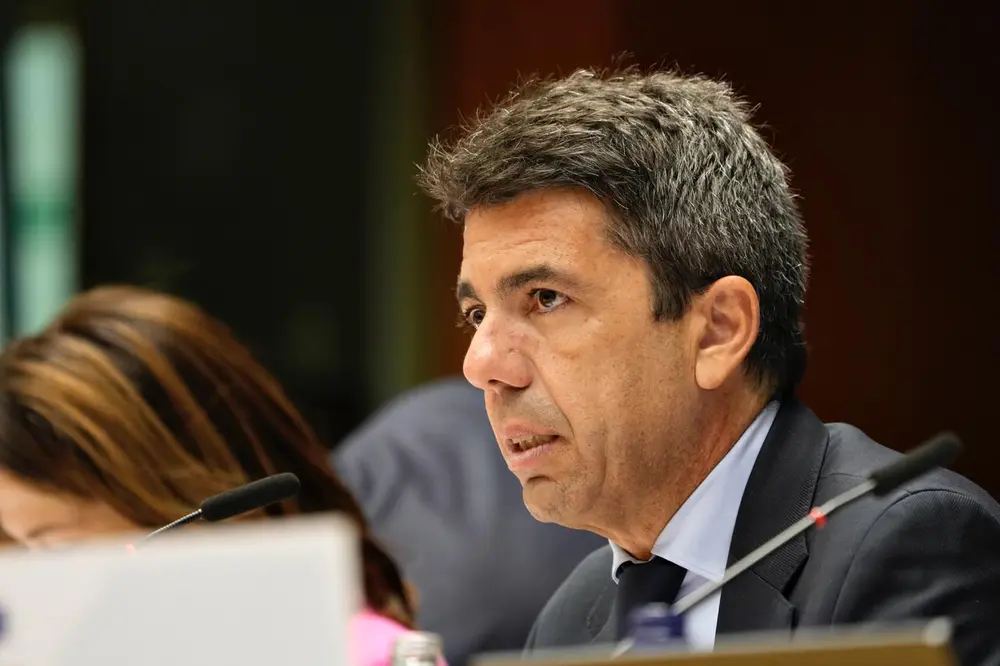
Carlos MAZÓN GUIXOT
Member
President of the Regional Government of Valencia

EPP (European People's Party)

The CoR calls for solid measures to protect local economies and producers against the new US tariff policy on European products.
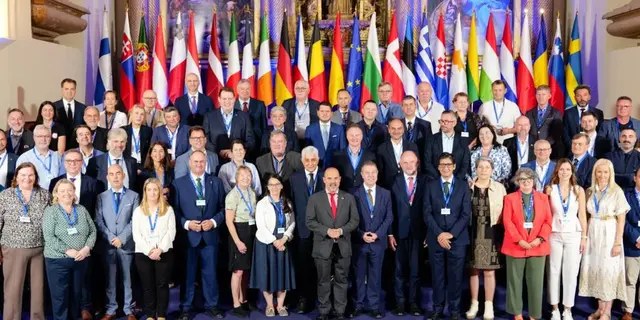
Local and regional representatives have urged the European Union to tackle trade barriers and to adopt a comprehensive strategy that ensures fair and equitable trade conditions and regional resilience for a competitive and sustainable EU agricultural sector during the Plenary session of the European Committee of the Regions (CoR) on 3 April.
The European Union and the United States. share the world's largest trade and investment partnership, with transatlantic trade reaching €1.6 trillion in 2023, including a strong agri-food exchange. However, the new 20% tariffs on all products, including EU agri-food exports, announced on 2 April, could significantly disrupt EU supply chains, raise prices, and hurt European producers. In the agrifood sector, regions such as Emilia Romagna, Andalucía, La Rioja, and Alsace could face important economic and social risks from US tariffs, threatening key exports like cheese, olive oil, and wine.
During a debate led by Jesús Ángel Garrido Martínez (ES/EPP) and François-Xavier Priollaud (FR/Renew Europe), members of the CoR expressed their preoccupations and called on the European Commission to deliver a solid, unified and proportionate response to protect the EU’s local economies and food sovereignty. They demand measures to foster growth, competitivity and resilience in the agrifood sector.
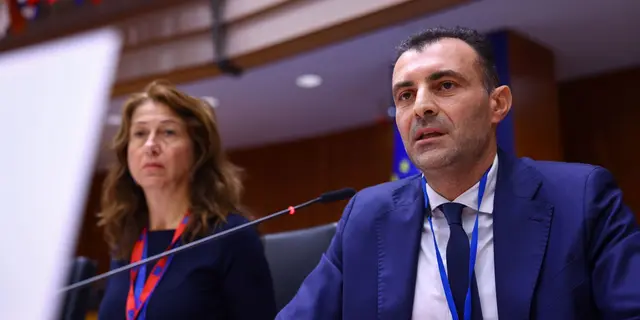
Regions and cities further adopted an opinion drafted by Carlos Mazon Guixot (ES/EPP), President of the Government of Valencia, calling for an ambitious, robust, open, and sustainable European trade policy that opens third-country markets to EU companies while preventing unfair competition from imported products. It calls on the European Commission to establish ‘mirror clauses’ in current and future EU trade agreements to align import standards with EU environmental, phytosanitary, and safety regulations, ensuring a fair playing field for European producers. Moreover, it highlights the tremendous impact of climate change on EU regions, impacting regional economies and agricultural production, particularly due to water stress extremes. Implementation of more sustainable water resource management practices at local and regional level is key.
To strengthen phytosanitary security, the CoR proposes stricter checks on unauthorised substances, and greater research collaboration on pests and diseases prevention. It also calls for revising regulations to better protect sensitive crops. On innovation, the CoR emphasises the importance of transparency in the food supply chain and of consumer protection, recommending the implementation of blockchain technology to certify and verify the traceability of agricultural and food products and practices, both within the EU and in third countries. Such measures would bolster consumer confidence while safeguarding the integrity of the single market.
As the world’s largest food importing and exporting market, the EU plays a pivotal role in driving the global transition to sustainable, environmentally sound, socially equitable, and resilient food systems. To enhance competitiveness, the CoR advocates for aligning trade policies with climate objectives, prioritising generational renewal in farming, ensuring fairer prices and conditions for producers, for simplified and more flexible rules, and for modernisation and innovation.
Quotes
Rapporteur Carlos Mazón Guixot (ES/EPP), President of the Government of Valencia: “This opinion advocates for a comprehensive approach, integrating fair trade practices, robust phytosanitary measures, and supporting research, innovation, and the use of new technologies in the service of profitability, sustainability, and competitiveness of our agriculture. Moreover, the current context compels us to pay special attention to the potential impact of U.S. tariffs on our agricultural products - such as wine, dairy products, and olive oil. Therefore, with this opinion, we are also calling for strong action against these unjustified barriers to free and fair trade. We must protect European businesses, workers, and consumers from unfair tariffs.”
François-Xavier Priollaud (FR/Renew), vice-president of the region of Normandy: “The ‘Liberation Day’ promised by Donald Trump is a black day for the transatlantic relationship. The American President is sadly mistaken when he thinks he can make Europe bend. Our proportionate response must also seek to protect the local production and jobs that sustain our European territories from the ravages of the trade war unleashed by the United States.”
Jesús Ángel Garrido Martínez (ES/EPP), director-general for funds and relations with the EU in the Government of La Rioja: “We call on the European Commission to keep wine out of trade disputes. And we aim to ensure the long-term competitiveness of the wine sector through targeted support programs and market development strategies that also benefit from European funding."
Background
Contact:
Hélène Dressen
Tel: +32 471502795
Helene.dressen@cor.europa.eu
Spain
Member
President of the Regional Government of Valencia

Alternate
Director General for Funds and Relations with the European Union, Government of La Rioja

The European Committee of the Regions (CoR) adopted an opinion led by Karl Vanlouwe (BE/EA) during its Plenary Session on 14 October, calling for local and regional authorities to have a stronger…
Regions and cities have adopted a set of recommendations to tackle the rise of cardiovascular diseases, calling for stronger social, environmental and commercial prevention measures and a greater…
Members of the Commission for Natural Resources (NAT) of the European Committee of the Regions (CoR) gathered on 1 and 2 October in Castilla-La Mancha, Spain, to address the growing wildfire risk…