Czechia

Pavel BRANDA
Member
Member of the Local Assembly of the Municipality of Rádlo

ECR (European Conservatives and Reformists Group)

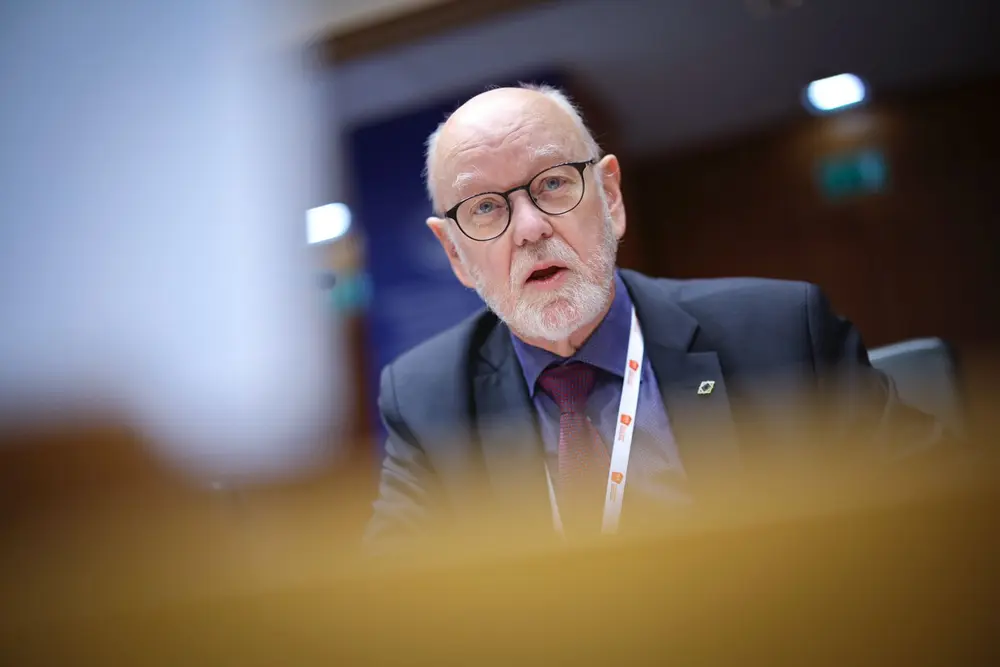
The rapporteur Petersen (regional assembly of South Denmark): it represents the highest example of European added value
Cohesion policy and European territorial cooperation (ETC) perfectly demonstrate the European added value in addressing problems that cross national borders, promoting integration and solidarity. Therefore, they should be strengthened in the future and their budget increased. This is the main message of the opinion adopted at the plenary of the European Committee of the Regions on 21 November, which was drafted by Karsten Uno Petersen, member of the regional assembly of South Denmark.
Border regions represent 40% of EU territory and are home to 30% of the EU population. Recent crises such as the COVID-19 pandemic and the Russia’s war against Ukraine highlighted how exposed and vulnerable those regions are to unexpected challenges. Both the pandemic and the war caused a slowdown in cross-border cooperation, which should instead be boosted.
Local and regional leaders thus urged national and EU leaders to equip the post-2027 Cohesion Policy with a budget that is up to the new challenges Europe is facing, at least equivalent to the 2021-2027 one (including the €50.6 billion REACT-EU top-up) in real terms. The ETC objective of Cohesion Policy, financed through the so-called Interreg programmes, should be increased compared to the current 2021-2027 period, to represent no less than 8% of the total amount, CoR member asked.
Territorial cooperation should be strengthened in all its different strands, CoR members said. Almost 90 Interreg cross-border, transnational, interregional and outermost programmes operate across the EU internal and external borders, proving to be one of the key EU policy tools for promoting cohesion, peace and prosperity. ETC also strengthens the single market by removing border obstacles. Therefore, the budget of its cross-border cooperation component should at least double in the EU’s next long-term budget.
Additionally, CoR members called on the European Commission to continue its efforts to simplify the implementing rules for ETC and urged Member States to avoid setting additional, potentially implementation-hindering requirements beyond those set at EU level.
Quote
The rapporteur Karsten Uno PETERSEN (DK/PES), member of the regional assembly of South Denmark: “Cohesion Policy and European Territorial Cooperation across EU borders epitomise European added value. They should be strengthened financially in the future. Border regions make up 40% of the EU territory, and 30% of the EU population lives in border regions. Therefore, funding for cross-border cooperation should be doubled in the next EU long-term budget."
More information
Contact
Matteo Miglietta
Tel. +32 470895382
matteo.miglietta@cor.europa.eu
Czechia
Member
Member of the Local Assembly of the Municipality of Rádlo
Denmark

Member
Regional Council Member, South Denmark Regional Council