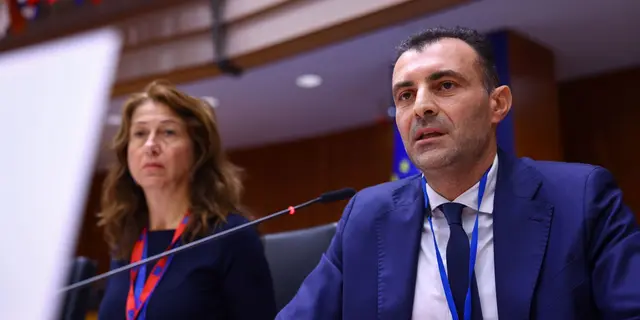
The European Committee of the regions (CoR) has adopted unanimously an opinion on the Common Market Organisation and the EU School Scheme during its Plenary session on 14 October. Led by Alessio…
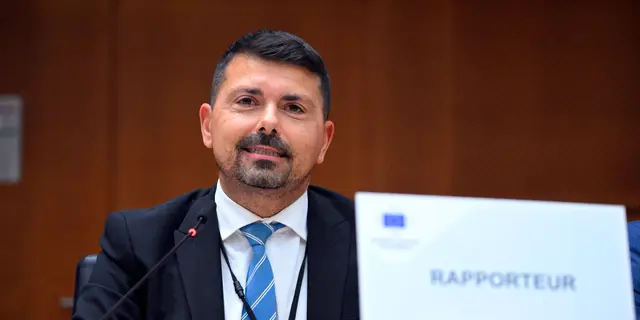

Multilevel governance, decentralised systems and stronger civil-protection mechanisms are vital to safeguard citizens and services.
The European Committee of the Regions (CoR) adopted by unanimity an opinion on the new European Preparedness Union Strategy during its last Plenary Session of the year on 10 December. Led by Maria Isabel Urrutia De Los Mozos (ES/EPP), the opinion warns that Europe remains dangerously exposed to increasingly frequent and complex crises and urges the EU to strengthen its preparedness strategy by giving regions and cities a formal role in shaping and implementing future measures.
Reflecting their role as first responders in emergencies and their responsibility for many essential services, local and regional authorities stress that preparedness must be treated as an urgent priority and developed through genuine cooperation between all levels of government, the private sector and civil society. In the opinion, the EU’s cities and regions warn that fragmented responsibilities, slow procedures and gaps in coordination continue to weaken Europe’s ability to anticipate and manage crises. The CoR is calling on the European Commission to review existing legislation and propose new measures that reflect the responsibilities of local and regional authorities, ensuring that EU preparedness tools are fit for purpose and aligned with realities on the ground.
To improve anticipation and prevention, the CoR suggests the creation of a European Network for Regions Affected by Disasters that would enable authorities to share experience, identify emerging risks and learn from past crises. Regions say such a platform is crucial to build a genuinely proactive approach to future threats.
Regions and cities call for accelerated efforts to diversify and localise energy systems, secure supply chains for critical goods, and strengthen digital and communication infrastructure. Building more autonomous, decentralised and robust systems is, they argue, essential not only for crisis response, but also for public trust and long-term security.
Regions and cities also emphasise the need to strengthen the Union Civil Protection Mechanism with clearer, faster and more coordinated procedures, stronger cross-border cooperation, and better integration of local and regional capacities into European responses. Ensuring that all emergency actors can communicate and mobilise seamlessly is described as vital for saving lives and protecting communities.
Quote
Rapporteur Maria Isabel Urrutia De Los Mozos (ES/EPP), Regional Minister for the Presidency, Justice, Security and Administrative Simplification, Government of Cantabria: “We will only achieve real change and progress if local and regional authorities are treated as strategic partners in the implementation and monitoring of the strategy, both in preventing crises and in responding swiftly in the event of a disaster. There must be awareness among citizens at all levels, and the strategy and its protocols must address all types of emergencies rather than remain mere statements of intent. We need to move from words to action.”
Background
Contact
Hélène Dressen
Tel: +32 471502795
Helene.dressen@cor.europa.eu
The European Committee of the regions (CoR) has adopted unanimously an opinion on the Common Market Organisation and the EU School Scheme during its Plenary session on 14 October. Led by Alessio…
The European Committee of the Regions (CoR) adopted an opinion led by Karl Vanlouwe (BE/EA) during its Plenary Session on 14 October, calling for local and regional authorities to have a stronger…
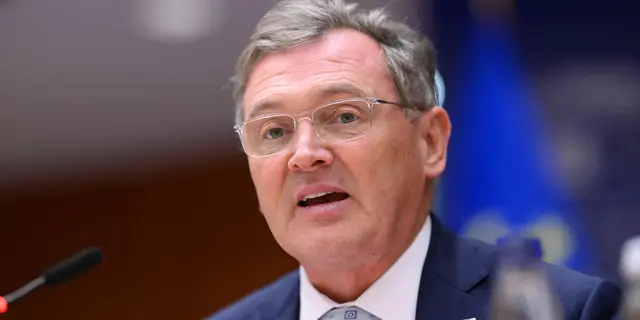
Regions and cities have adopted a set of recommendations to tackle the rise of cardiovascular diseases, calling for stronger social, environmental and commercial prevention measures and a greater…