Július 2-án az Európai Beruházási Bankkal, a régiókkal és a városokkal folytatott együttműködésük elmélyítése keretében megbeszélést folytattak Calvino elnökkel, európai parlamenti képviselőkkel és…
Europe is facing a housing crisis, exacerbated by demographic and urbanisation trends, and local authorities struggle to provide affordable housing amidst low renovation rates. Regions and cities demand a EU Housing Agenda, urging better policy coordination and financial support for social housing initiatives, alongside a focus on sustainable architecture in an opinion, led by Andres Jaadla, (EE/Renew), member of Rakvere City Council, which was adopted during the plenary session of the European Committee of the Regions (CoR) on 17 April.
Housing affordability
In regions and cities, over 10% of households spend more than 40% of their income on housing, with EU rents up by 16% and house prices by 37% in the last decade. Local and regional authorities are primarily responsible for addressing the housing demand and for managing large stocks of local public buildings and public spaces, with a primary role in planning and funding. CoR members therefore called in the opinion for a renewed focus on private, cooperative, public, and social housing, emphasizing the need for financial support to equip LRAs with necessary tools to tackle the ongoing challenges.
Excessive housing costs not only harm local and regional economies but also hinder mobility within the Single Market, deterring qualified individuals and graduates from relocating for professional opportunities. Therefore, local and regional leaders demand the launch of a Housing Agenda for the European Union and better coordination between EU policies and the policies of the Member States and their regions and local authorities.
Smart and sustainable housing
Insufficient renovation rates for residential buildings are putting immense pressure on local and regional authorities and they are struggling to ensure an adequate supply of affordable housing.
More attention and support are needed for residential deep renovation in the EU and more incentives and financial support should boost residential renovation, while ensuring the protection of vulnerable individuals and groups from eviction.
Furthermore, CoR members highlighted that sustainable architecture as the future model for improving building energy efficiency should be a priority to reduce waste and toxic materials and creating healthy environments. They stressed the importance of integrating architecture with broader cultural values and the relationship between humans and nature. They also called for the European Regional and Development Fund (ERDF) to be used to build new social housing in European regions.
In light of short-term accommodation, local and regional leaders demanded increased support for their efforts to protect urban centres from excessive "touristification". The balance between the needs of residents, businesses, and tourists is vital for preserving neighbourhood liveability and maximizing tourism's economic benefits.
Quote:
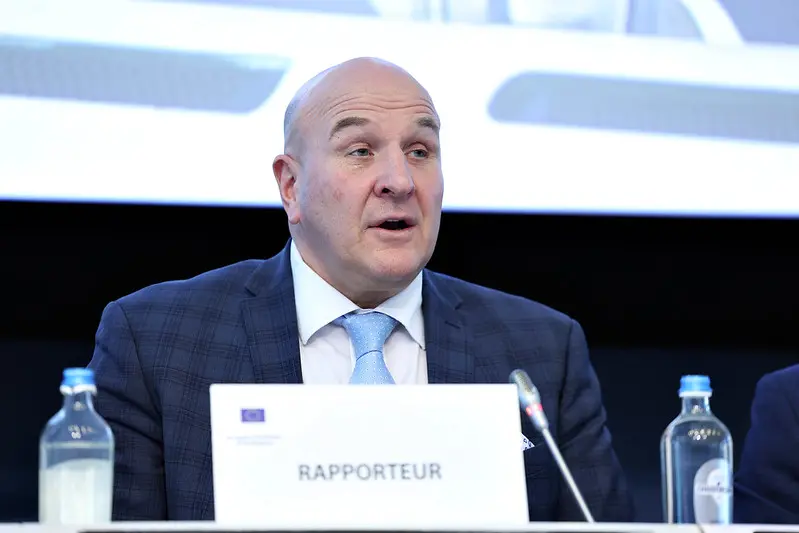
The rapporteur Andres Jaadla (EE/Renew), member of Rakvere City Council, said: “When we set on a mission last year to raise the issue of housing affordability to the European level, there was scepticism where our messages would land. Today, we showed that talking about the housing crisis at the EU level is not about bringing social competence to Brussels and taking it from member states – it is about realising that all levels of government need to cooperate, to establish a European housing agenda and to boost investment into new housing and renovation."
More information:
Contact:
Theresa Sostmann
Tel: +32 475 999 415
Theresa.Sostmann@cor.europa.eu
Július 2-án az Európai Beruházási Bankkal, a régiókkal és a városokkal folytatott együttműködésük elmélyítése keretében megbeszélést folytattak Calvino elnökkel, európai parlamenti képviselőkkel és…
A Régiók Európai Bizottsága (RB) ellenezte az Európai Bizottság arra irányuló terveit, hogy az Európai Szociális Alapot (ESZA) összevonja más uniós eszközökkel az egységes nemzeti tervekben, és kérte…

A kohéziós politika kiszámítható támogatásának fenntartása valamennyi régió számára, nem csak a kevésbé fejlett régiók számára; a nemzeti beruházási tervek elutasítása, amennyiben a régiókat nem…
