
For more women in politics
The full political participation of women, both as citizens and in public office, is essential for a strong democracy, good governance and effective policymaking. The European Committee of the Regions is fully committed to promote these values and lead by example.
On this page
About the initiative
The European Committee of the Regions (CoR) is committed to promoting initiatives enhancing women's political participation, and acknowledges that the local and regional authorities are pivotal in fostering gender equality and equal political representation, including through their political assemblies and control over local public services and expenditure.
With the For more women in politics initiative, the CoR leads the call for better gender balance in politics at all levels of government, and for the exchange of best practice on means to achieve it.
Gender equality and the CoR
*as at 25 June 2026
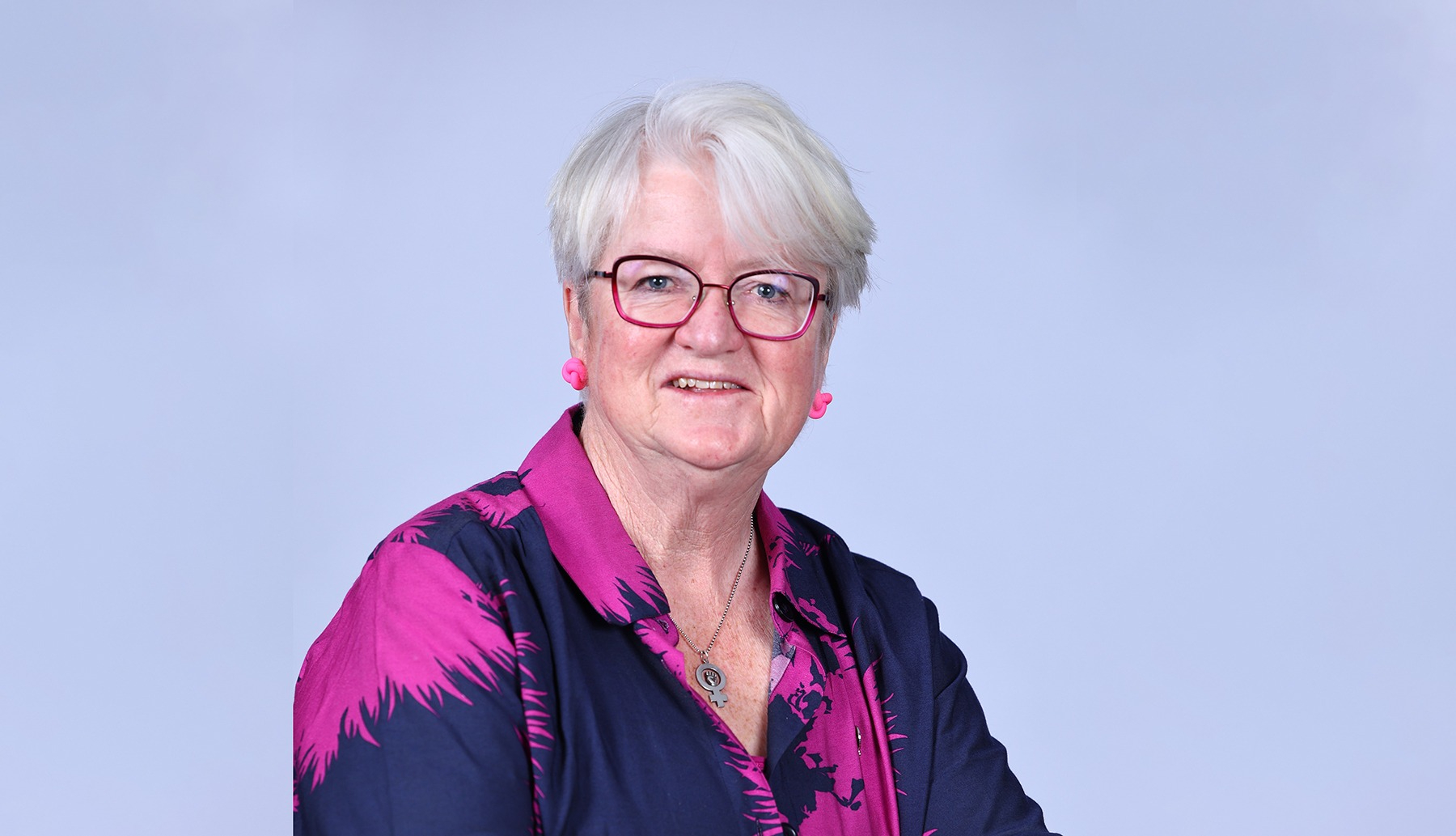
As the EU's assembly of local and regional representatives from all 27 Member States, the European Committee of the Regions has a firm commitment to promote gender equality and women's political participation in all aspects of its functioning. These commitments are recognized and presented transparently through a Gender Equality Action Plan, adopted in 2023. The Action Plan promotes these values in all CoR activities and is overseen by the Bureau rapporteur Carina Ohlsson (SE/PES).
Apart from promoting gender equality in its core work, the CoR also promotes these values in all outreach work. As such, the networks of Young Elected Politicians (YEP) and EU Local Councillors are managed in accordance with the Action Plan.
The CoR General Secretariat also has a dedicated Equal Opportunities Strategy for its staff.
Gender equality in the EU
Gender equality is a core value and objective of the European Union. It is firmly stated in the Treaty of Amsterdam and in the Treaty on the Functioning of the European Union, as well as in the EU Charter of Fundamental Rights and the European Pillar of Social Rights.
The EU Gender Equality Strategy 2020-2025, endorsed by the CoR in its Opinion, presents the EU way forward and its targeted actions to enhance gender equality across its territories. The European Commission also publishes a report on the state-of-play of gender equality in the EU. To support this work, the European Institute for Gender Equality (EIGE) collects data and generates the EU gender equality index.
To promote gender equality the European Parliament has a standing committee dedicated to women's rights and gender equality, as well as introducing an annual European Gender Equality Week in 2020. The CoR supports the Gender Equality Week from the perspective of local and regional authorities.
Despite the strong initiatives at the EU level, at present, women remain significantly underrepresented in local decision-making, with an average proportion of elected women in local and municipal councils of around 34%, and in regional assemblies of 32%, according to the EIGE. While there was a marked improvement in the 2024 Gender Equality Index, with the share of women in regional and local assemblies increasing from 30% to 31%, the CoR aims to further strengthen gender equality at this level.
Latest news
-
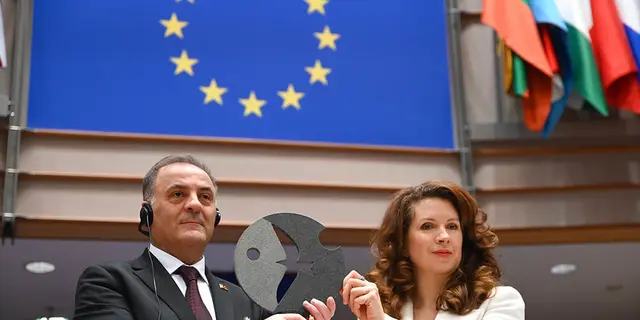
Ekrem İmamoğlu, Mayor of Istanbul, has been awarded the fifth edition of the Mayor Paweł Adamowicz Award for his defence of democracy, solidarity and the independence of local government in the…
-
Local and regional leaders debated on 28 November how the EU long-term budget proposals for 2028–2034 will affect Europe's policies in research and innovation, education and mobility…

-
Local and regional leaders urge the EU to recognise them as strategic partners in the new Gender Equality Strategy and to integrate gender equality in the next EU long-term budget 2028-2034 to…

Image gallery
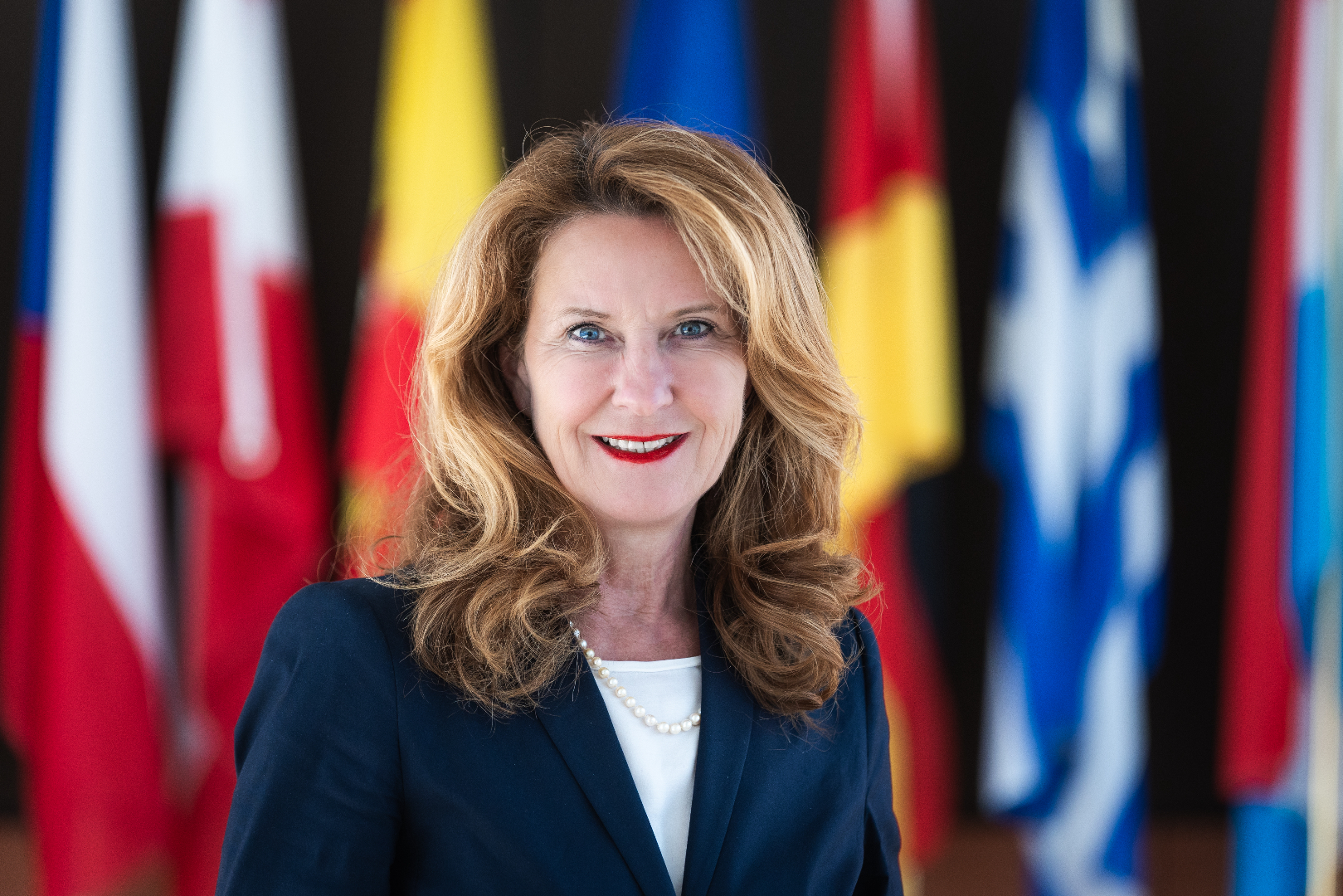
Heike Raab, SEDEC Chair - ©European Union/Christophe Licoppe


Multimedia
See more videos on making mobility in our communities inclusive, equitable & adapted to women