Estonia

Andres JAADLA
Stellvertreter/-in
Member of Rakvere City Council

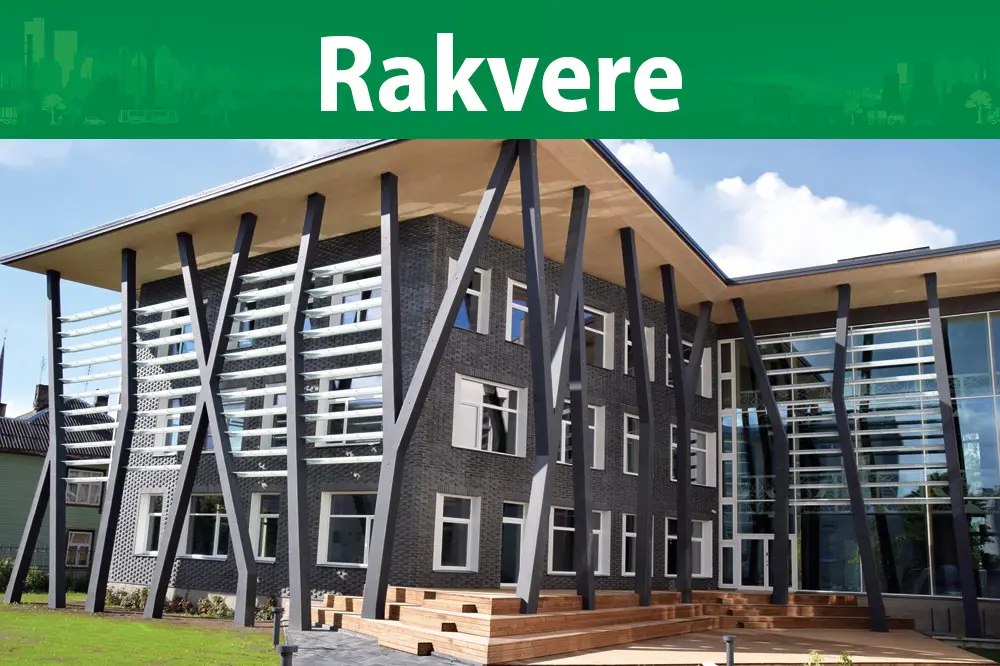
Rakvere municipality has good experience and competence in planning and implementation of development and investment projects in the field of energy efficiency in buildings.
Energy saving and the environment is important for Rakvere. Rakvere is a member of the Covenant of Mayors for climate and energy and a smart city. Since 2009, Rakvere is the first city in Estonia which has started to only use green energy for city lighting and is currently updating city lighting to LED lights. Lighting of 68 streets with 1 059 light points with a capacity of 156W will be renovated. After the renovation the average capacity will not be over 49W. Also 75% of old soviet era block buildings have been renovated and made more energy efficient.
What we need at a local level in Europe is energy efficiency in buildings, which covers retrofitting of old buildings as well as construction of new buildings, the use of renewable energy sources, smart building service and energy system integration, which provides solutions on a larger scale such as district heating and cooling, photovoltaics and geothermal energy.
As a forerunner of these ideas, the city government of Rakvere want to be leaders of this innovation in Europe. The Rakvere Smart House project (built in 2013–2015) was one of first smart house and smart cities lighthouse projects based on the ideas that energy efficient, nearly-zero energy use buildings with a maximum use of sustainable energy is crucial. Rakvere is one of the most innovative cities in Estonia in the renovation of apartments to energy efficient buildings.
Rakvere could be the first city in Estonia, where the majority of apartments will be renovated in the near future. The experience gained in cooperation with housing cooperatives in planning and reconstruction can be used also in current projects targeted at improving energy efficiency and performance of public buildings.
Estonia
Stellvertreter/-in
Member of Rakvere City Council
ENVE works in fields related to the European Green Deal, which include the environment biodiversity, circular economy, zero pollution, climate change, energy, and space policies.