Spain
Juanma MORENO
Mitglied
President of the Regional Government of Andalusia

EPP (European People's Party)

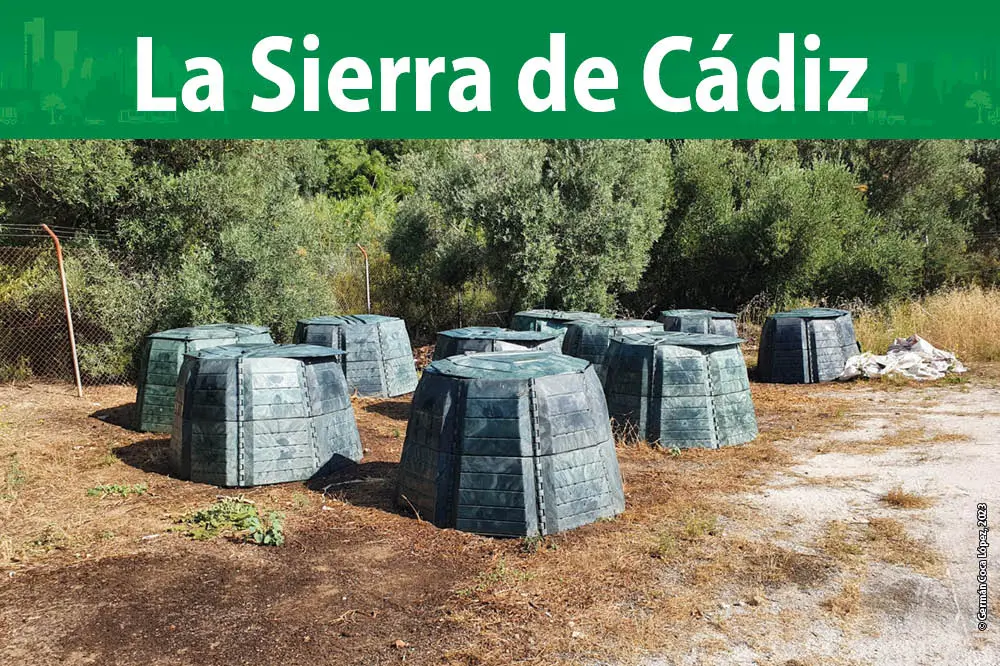
Decentralised composting creates quality green jobs, reduces the carbon footprint, gives back to the land what we take from it, and helps raise environmental awareness among the population that practices domestic composting.
The organic fraction of municipal waste is treated through a decentralised composting system that prioritises short management cycles over long ones.
The model provides for the following options:
– Domestic composting in households that voluntarily compost the organic fraction of household waste they produce and that make use of the compost generated on-site.
– Community composting in selected dispersed areas and compost islands in residential neighbourhoods where citizens who are not able to compost in their homes can deposit the segregated organic fraction of their household waste and take the resulting compost for domestic use.
– Municipal dynamic composting in the smaller and more isolated villages of the Sierra de Cádiz. Five semi-automatic composting units with a capacity ranging from 500 kg/day to 2 500 kg/day, strategically located in areas with lower population densities, treat the organic fraction collected door-to-door quickly and easily, avoiding interim storage and large displacements.
– District composting carried out in a joint composting plant with a capacity of 7 500 t/year, serving the most populated municipalities in the district, avoiding any transfer of organic matter outside the district.
Spain
Mitglied
President of the Regional Government of Andalusia
ENVE works in fields related to the European Green Deal, which include the environment biodiversity, circular economy, zero pollution, climate change, energy, and space policies.

Juanma MORENO

Juanma MORENO

Juanma MORENO

Juanma MORENO
