Working groups and Joint Consultative Committees foster cooperation between local and regional authorities in the EU and candidate countries, supporting them on their path towards EU membership.
Regions and cities bringing enlargement closer to people.
The European Committee of the Regions has consistently supported EU enlargement, recognising it as a strategic investment in peace, stability and prosperity across Europe. It also advocates for the active involvement of local and regional authorities (LRAs) in the enlargement process, highlighting the vital role of municipalities, cities and regions, which implement around 70% of EU legislation.
By engaging directly with citizens, local and regional leaders can help make enlargement more tangible, foster public understanding of EU-related reforms and ensure that local concerns are reflected in the accession process.
In an increasingly complex information environment, LRAs have an important role to play in providing trusted, fact-based information and maintaining direct dialogue with their communities. Their involvement helps strengthen democratic resilience, increase public trust and build local ownership of the reforms required on the path towards EU membership.
Every year, the CoR brings the voice of Europe's cities and regions into the EU enlargement debate through its opinions on the European Commission's Enlargement Package: one covering the Western Balkans and Türkiye and another focusing on Ukraine, Moldova and Georgia.
The CoR also provides a unique space for political dialogue and cooperation between local and regional leaders from EU Member States and enlargement countries. Through its Joint Consultative Committees (JCCs) and Working Groups (WG), it facilitates the exchange of experience, best practices and practical knowledge on issues linked to EU integration. These platforms help strengthen local governance, advance decentralisation reforms that bring decision-making closer to citizens, support reform efforts and foster long-term partnerships.
Enlargement Days, the Committee of the Regions' flagship event on EU enlargement, brings together in Brussels members of all JCCs and WGs, as well as representatives of EU institutions, national authorities, and local and regional authorities from the Enlargement countries. Each year, it offers a valuable opportunity to reflect on progress, learn from one another's experiences, build stronger partnerships, and reflect on how to address the common challenges of the EU accession process.
Need for closer cooperation with local authorities to counter disinformation stressed at meeting of local leaders from EU and enlargement countries.
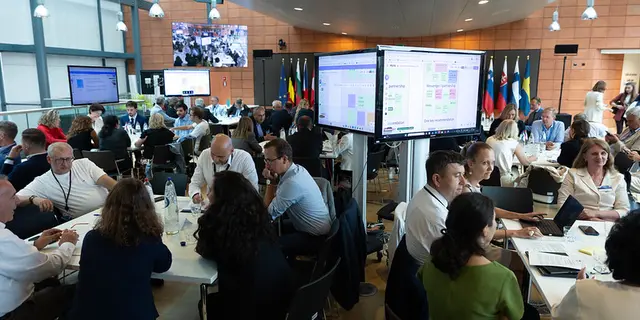
European Committee of the Regions underlines solidarity of EU cities and regions at meeting held hours after major Russian attack on Ukrainian capital.
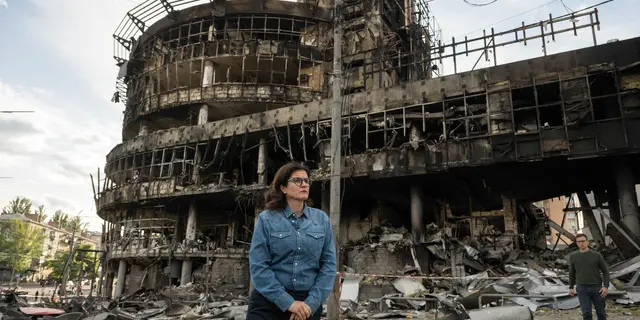
EU’s local and regional leaders say municipalities must remain central to Ukraine’s recovery.