ENVE works in fields related to the European Green Deal, which include the environment biodiversity, circular economy, zero pollution, climate change, energy, and space policies.
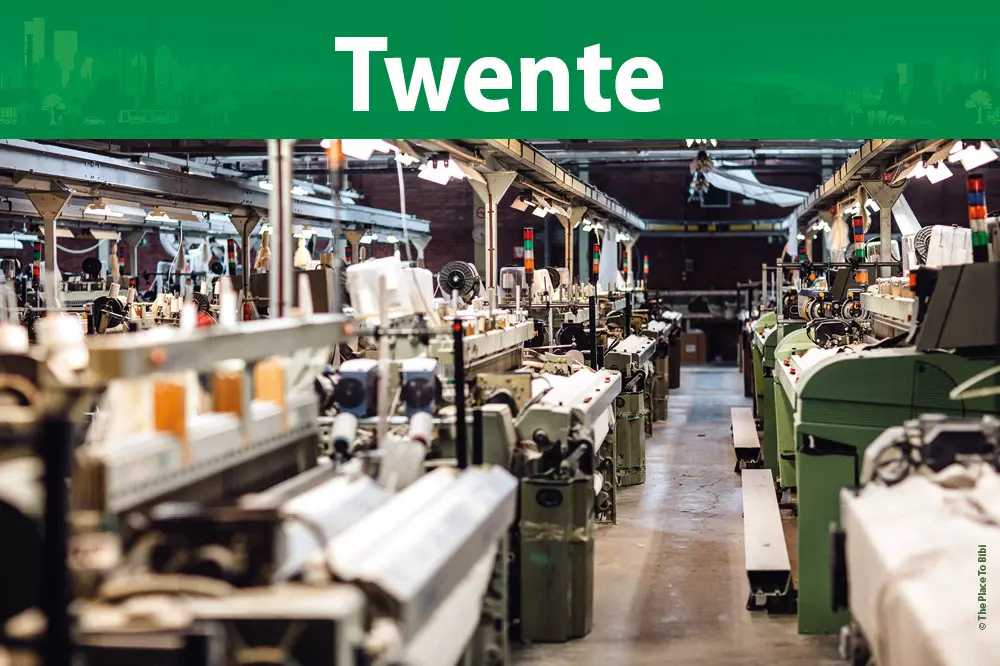
Netherlands is a forerunner in textiles recycling and in making good-quality new products from the recycled material and can therefore serve as a good example and inspiration for other European regions in the transition to circularity and climate neutrality.
The TexPlus Foundation facilitates a unique form of long-term cooperation in the Twente region between "triple helix" partners (government, universities and industry) who want to close the textiles recycling loop using knowledge, unique facilities and a multiannual programme in which consumers, knowledge and educational institutions, collectors, sorters and textiles producers seek to prove the scalability and commercial feasibility of a closed "textiles waste to new textiles" loop.
The programme helps to achieve the Green Deal's objectives, reduce CO 2 emissions, encourage businesses and members of the public to make positive behavioural changes with regard to circular textiles, and create economically and ecologically sustainable infrastructure for circular textiles in the region.
The aim is to accelerate the development of circular textiles and help with its industrial scale-up so that the demand for textile fibres can at least partly be met by recycled and sustainable fibres. TexPlus wants to play a leading role in developing these circular processes by removing technical barriers to the circular textiles chain and demonstrating solutions at least on a pre-industrial scale (from kilograms to tonnes).
ENVE works in fields related to the European Green Deal, which include the environment biodiversity, circular economy, zero pollution, climate change, energy, and space policies.
