Netherlands
Bouke ARENDS
Membru
Mayor of the Municipality of Westland

PES (Party of European Socialists)

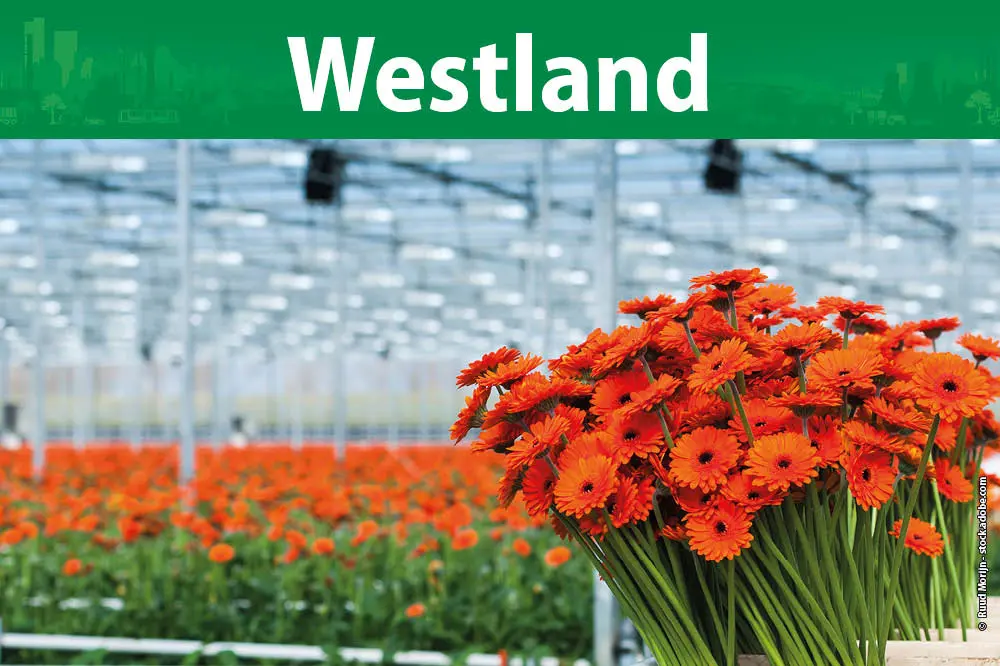
This is important because the Greenhouse horticulture production will at the end (2040) be a climate neutral way of producing vegetables, fruits, flowers and ornamental plants.
Greenport West-Holland is the world’s most innovative region in the field of greenhouse horticulture, with the world’s best growers of vegetables and flowers, suppliers, trading companies, breeders, consultancies, personnel services, etc. They work closely together: with each other, with local and regional authorities, with top education institutions and with international research institutes.
When it comes to greenhouse horticulture, Greenport West-Holland is one of the most important regions in the world with a concentration of state-of-the-art production, delivery, trade, distribution and processing companies, all strongly interlinked. The governments in the region – together with entrepreneurs, educational institutions and research institutes – have united in a network organization: Greenport West-Holland. Chairman is Meindert Stolk, Regional Minister, Province of Zuid-Holland.
On 9 December 2020, approximately 50 companies and organizations signed the new Greenport West-Holland Energy Agreement. This agreement covers the period 2021-2025 and aims, among other things, to significantly reduce CO2 emissions. An important instrument in this respect is the planning and realization of heat networks in the greenhouse horticulture areas. The Energy Agreement of 2020 is an extension of the previous agreement from 2017. The new agreement is in line with the ambition of the greenhouse horticulture industry for the National Climate Agreement. The ambition emphasizes the reduction of CO2.
For the horticultural sector, a CO2 emission of 2.2 megatons in 2030 is envisaged at national level. That is a reduction of 3.4 megatons from the current emission. Greenport West-Holland, the most important horticultural cluster in the Netherlands, has the ambition to achieve a CO2 emission of no more than 1.1 Megaton by 2030. To achieve this, the Energy Agreement has formulated a number of program lines. The program lines include connecting parties, sharing knowledge, monitoring and facilitating and stimulating developments.
The Energy Agreement will also support heat cooperatives in the greenhouse horticulture sector that are working on a sustainable heat supply for their companies. The goal is to have such energy collectives throughout Greenport by 2025. Several parties contribute financially to the agreement. The province of South Holland is responsible for half of the costs, while the municipal authorities, the horticultural industry and other businesses in the Greenport West-Holland and the energy transition are responsible for the other half.
Netherlands
Membru
Mayor of the Municipality of Westland
ENVE works in fields related to the European Green Deal, which include the environment biodiversity, circular economy, zero pollution, climate change, energy, and space policies.

Jeannette BALJEU
